Optimizing the layout of shuttle racking in a warehouse is a crucial task that can significantly enhance the efficiency, productivity, and overall performance of your storage operations. As a shuttle racking supplier, I have witnessed firsthand the transformative impact that a well-designed layout can have on a warehouse. In this blog post, I will share some valuable insights and practical tips on how to optimize the layout of shuttle racking in your warehouse. Shuttle Racking
Understanding the Basics of Shuttle Racking
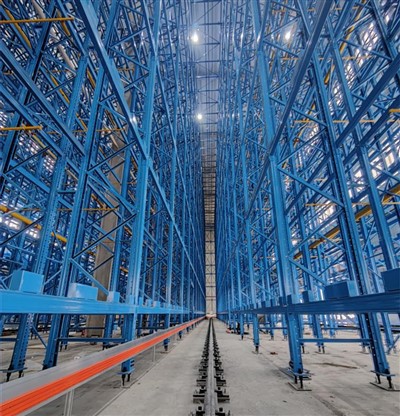
Before delving into the optimization strategies, it’s essential to have a clear understanding of what shuttle racking is and how it works. Shuttle racking is a high-density storage system that utilizes automated shuttle vehicles to move pallets within the racking structure. These shuttles can travel along the rails installed in the racking lanes, allowing for efficient storage and retrieval of pallets.
One of the key advantages of shuttle racking is its ability to maximize storage space. By eliminating the need for forklift aisles, shuttle racking can significantly increase the storage capacity of a warehouse. Additionally, the automated operation of the shuttles reduces the reliance on manual labor, improving the overall efficiency of the storage process.
Assessing Your Warehouse Requirements
The first step in optimizing the layout of shuttle racking is to assess your warehouse requirements. This involves considering several factors, such as the type and size of the products you store, the throughput requirements, and the available space in your warehouse.
- Product Characteristics: Different products have different storage requirements. For example, some products may require specific temperature or humidity conditions, while others may be fragile and need extra protection. Understanding the characteristics of your products will help you determine the appropriate racking configuration and storage conditions.
- Throughput Requirements: The throughput requirements of your warehouse refer to the number of pallets that need to be stored and retrieved within a given time frame. This will depend on factors such as the demand for your products, the frequency of order fulfillment, and the size of your customer base. By analyzing your throughput requirements, you can determine the number of shuttles and the capacity of the racking system needed to meet your operational needs.
- Available Space: The available space in your warehouse is a critical factor in determining the layout of the shuttle racking. You need to consider the dimensions of the warehouse, including the height, length, and width, as well as any obstacles or restrictions that may affect the installation of the racking system. Additionally, you should leave enough space for forklift access, loading and unloading areas, and other operational activities.
Designing the Racking Layout
Once you have assessed your warehouse requirements, the next step is to design the racking layout. This involves determining the number of racking lanes, the length and width of the lanes, and the height of the racking system.
- Number of Racking Lanes: The number of racking lanes will depend on the throughput requirements of your warehouse. Generally, more lanes will allow for faster storage and retrieval of pallets, but they will also require more space. You need to find a balance between the number of lanes and the available space in your warehouse.
- Length and Width of the Lanes: The length and width of the lanes will depend on the size of the pallets you store and the type of shuttle vehicles you use. You need to ensure that the lanes are wide enough to accommodate the pallets and the shuttles, and that they are long enough to allow for efficient movement of the shuttles.
- Height of the Racking System: The height of the racking system will depend on the available space in your warehouse and the type of products you store. Generally, taller racking systems can provide more storage capacity, but they may also require more expensive equipment and higher installation costs. You need to consider the cost-benefit analysis of different racking heights before making a decision.
Implementing the Racking System
Once you have designed the racking layout, the next step is to implement the racking system. This involves installing the racking structure, the shuttle vehicles, and the control system.
- Racking Structure Installation: The racking structure should be installed by a professional installer who has experience in installing shuttle racking systems. The installer will ensure that the racking structure is level, stable, and secure, and that it meets all the safety standards and regulations.
- Shuttle Vehicle Installation: The shuttle vehicles should be installed and programmed according to the manufacturer’s instructions. The installer will ensure that the shuttles are properly calibrated and that they can operate smoothly and efficiently within the racking system.
- Control System Installation: The control system is the brain of the shuttle racking system. It allows you to manage and monitor the operation of the shuttles, including the storage and retrieval of pallets. The control system should be installed and configured by a professional technician who has experience in installing and programming control systems for shuttle racking systems.
Monitoring and Maintaining the Racking System
Once the racking system is installed and operational, it’s important to monitor and maintain the system to ensure its optimal performance. This involves regular inspections, maintenance, and repairs.
- Regular Inspections: Regular inspections should be conducted to check the condition of the racking structure, the shuttle vehicles, and the control system. Any signs of damage or wear should be addressed immediately to prevent further damage and ensure the safety of the system.
- Maintenance and Repairs: Regular maintenance and repairs should be carried out to keep the racking system in good working condition. This includes lubricating the moving parts, checking the electrical connections, and replacing any worn or damaged components.
- Training and Education: It’s important to provide training and education to your employees on how to operate and maintain the shuttle racking system. This will ensure that they are familiar with the system and can use it safely and efficiently.
Conclusion

Optimizing the layout of shuttle racking in a warehouse is a complex and challenging task that requires careful planning, design, and implementation. By following the tips and strategies outlined in this blog post, you can ensure that your shuttle racking system is designed and installed to meet your specific warehouse requirements, and that it operates efficiently and effectively.
Mezzanine Racking If you are interested in learning more about shuttle racking and how it can benefit your warehouse, please contact us to schedule a consultation. Our team of experts will be happy to answer your questions and provide you with a customized solution that meets your needs and budget.
References
- Material Handling Industry of America (MHIA). (2023). Warehouse Design and Layout.
- Rack Manufacturers Institute (RMI). (2023). Design, Testing, and Utilization of Industrial Steel Storage Racks.
- International Organization for Standardization (ISO). (2023). ISO 3691-1:2020 – Industrial trucks – Safety requirements and verification – Part 1: Self – propelled industrial trucks other than driverless trucks.
GD Intelligent Technology (Nanjing) Co., Ltd
We are one of the most professional shuttle racking manufacturers and suppliers in China, specialized in providing high quality customized service. Please feel free to buy high-grade shuttle racking made in China here from our factory.
Address: Room 405, Building 6, Big Data Industry Base, No. 180, Software Avenue, Yuhuatai District, Nanjing City, Jiangsu Province
E-mail: gdintelligent@gmail.com
WebSite: https://www.gdasrs.com/
