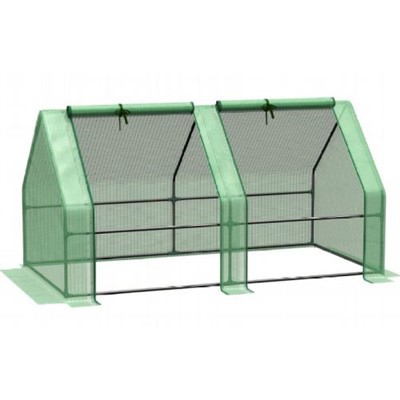
When it comes to gardening, a cold frame is an invaluable tool. As a supplier of cold frames, I’ve had the privilege of helping numerous gardeners enhance their gardening experience. A cold frame is essentially a simple, enclosed structure that extends the growing season by providing a protected environment for plants. It allows gardeners to start seeds earlier in the spring and continue growing crops later into the fall. In this blog, I’ll delve into the materials needed to build a cold frame, sharing insights based on my experience in the industry. Cold Frame
1. Frame Materials
The frame is the foundation of the cold frame, providing structure and support. There are several materials to choose from, each with its own advantages and disadvantages.
Wood
Wood is a popular choice for cold frame frames due to its natural appearance and ease of workability. Cedar and redwood are excellent options as they are naturally resistant to rot and decay. They can withstand the elements and last for many years. Pine is also a common choice, but it may require treatment to prevent rot. When using wood, it’s important to choose lumber that is straight and free of knots. You’ll need to cut the wood to the appropriate lengths and join the pieces together using screws or nails. A miter saw can be used to create clean, angled cuts for a professional look.
Metal
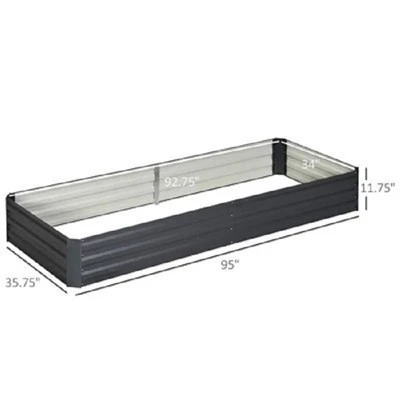
Metal frames, such as aluminum or galvanized steel, offer durability and strength. They are resistant to rust and can withstand harsh weather conditions. Aluminum is lightweight, making it easy to move the cold frame if needed. Galvanized steel is heavier but provides excellent stability. Metal frames can be purchased pre – fabricated or cut and welded on – site. However, metal can conduct heat and cold more readily than wood, which may require additional insulation.
PVC
PVC (polyvinyl chloride) is a lightweight and affordable option for cold frame frames. It is easy to cut and assemble, and it does not rot or rust. PVC pipes can be joined together using PVC connectors, creating a simple and sturdy frame. However, PVC may not be as aesthetically pleasing as wood or metal, and it may become brittle over time with exposure to sunlight.
2. Glazing Materials
The glazing is the transparent or translucent covering of the cold frame that allows sunlight to enter while trapping heat inside. There are several types of glazing materials available.
Glass
Glass is a traditional and high – quality glazing material. It provides excellent clarity, allowing maximum sunlight to reach the plants. Tempered glass is a good choice as it is stronger and safer than regular glass. However, glass is heavy and can be expensive. It also requires careful handling to avoid breakage. If you choose glass, you’ll need to secure it to the frame using glazing putty or a special glass – mounting system.
Polycarbonate
Polycarbonate is a popular alternative to glass. It is lightweight, shatter – resistant, and has good insulation properties. Polycarbonate sheets come in different thicknesses, with thicker sheets providing better insulation. They are also more flexible than glass, making them easier to install. Polycarbonate can be cut with a saw or a utility knife, and it can be attached to the frame using screws or clips.
Plastic Film
Plastic film, such as polyethylene or polypropylene, is the most affordable glazing option. It is easy to install and can be replaced if damaged. However, plastic film has a shorter lifespan compared to glass or polycarbonate. It may tear or become brittle over time, especially with exposure to sunlight. To use plastic film, you’ll need to stretch it over the frame and secure it with staples or clips.
3. Insulation Materials
Insulation is important for maintaining a stable temperature inside the cold frame. It helps to prevent heat loss during the cold months and keeps the interior cool during hot days.
Straw Bales
Straw bales are a natural and inexpensive insulation material. They can be placed around the outside of the cold frame to provide thermal insulation. Straw bales are also biodegradable and can be used as mulch in the garden after they are no longer needed for insulation.
Foam Board
Foam board insulation, such as expanded polystyrene (EPS) or extruded polystyrene (XPS), is a popular choice for cold frames. It is lightweight, easy to cut, and provides excellent insulation. Foam board can be attached to the inside or outside of the frame using adhesive or screws.
Bubble Wrap
Bubble wrap is a simple and cost – effective insulation material. It can be placed on the inside of the glazing to trap air and provide additional insulation. Bubble wrap is easy to install and can be removed and reused.
4. Hardware and Fasteners
To assemble the cold frame, you’ll need various hardware and fasteners.
Hinges
Hinges are used to attach the lid or door of the cold frame to the frame. You can choose from different types of hinges, such as butt hinges or piano hinges. Make sure to select hinges that are strong enough to support the weight of the lid.
Latches
Latches are used to keep the lid or door of the cold frame closed. They can be simple hook – and – eye latches or more complex hasp and padlock systems, depending on your needs.
Screws and Nails
Screws and nails are used to join the frame pieces together and attach the glazing and insulation materials. Choose screws and nails that are appropriate for the materials you are using. For example, wood screws are best for wood frames, while self – tapping screws can be used for metal or PVC frames.
5. Additional Materials
There are a few additional materials that can enhance the functionality of the cold frame.
Ventilation System
A ventilation system is essential for regulating the temperature and humidity inside the cold frame. You can install vents in the sides or top of the cold frame to allow air to circulate. Vents can be manual or automatic. Automatic vents open and close based on the temperature inside the cold frame, providing consistent ventilation.
Shelving
Shelving can be added inside the cold frame to maximize the growing space. You can use wooden or metal shelves to create multiple levels for plants. Shelving allows you to grow more plants in a smaller area and makes it easier to access and care for the plants.
Thermometer
A thermometer is a simple but important tool for monitoring the temperature inside the cold frame. It helps you to ensure that the temperature is within the optimal range for your plants. You can place the thermometer inside the cold frame at plant level to get an accurate reading.
In conclusion, building a cold frame requires careful consideration of the materials you use. Each material has its own pros and cons, and the choice depends on your budget, preferences, and the specific needs of your garden. As a cold frame supplier, I’m here to help you select the right materials for your project. Whether you’re a beginner gardener or an experienced horticulturist, a well – built cold frame can significantly enhance your gardening success.
If you’re interested in purchasing materials for your cold frame or have any questions about the building process, I encourage you to reach out. We offer a wide range of high – quality materials and can provide expert advice to ensure your cold frame project is a success. Contact us today to start your gardening journey with a top – notch cold frame.
Garden Greenhouse References
- "The Complete Guide to Cold Frames" by a well – known gardening author.
- "Gardening with Cold Frames" published by a leading horticultural magazine.
- Industry research on cold frame materials and construction techniques.
SOLAYIS
As one of the leading cold frame manufacturers and suppliers, we warmly welcome you to wholesale cheap cold frame from our factory. All our products are with high quality and competitive price.
Address: Hecheng North Road, Simen Town, Yuyao City, Ningbo, Zhejiang Province
E-mail: ma@solayis.cn
WebSite: https://www.solayis.com/
