Hey there! I’m a supplier of pulp molded packaging, and I often get asked how pulp molded packaging stacks up against cardboard packaging when it comes to strength. So, I thought I’d write this blog to share my insights on the matter. Pulp Molded Packaging

Let’s start by looking at what pulp molded packaging is. It’s made from recycled paper pulp, which is molded into various shapes using specialized equipment. This process gives it a unique structure that can be customized to fit different products. On the other hand, cardboard packaging is typically made from layers of paperboard, which are glued or laminated together.
When it comes to strength, both pulp molded and cardboard packaging have their own advantages.
Compressive Strength
One of the key aspects of strength is compressive strength, which is how well a package can withstand pressure from above. Cardboard packaging is known for its relatively high compressive strength, especially when it’s made from thick, high – quality paperboard. It can support a decent amount of weight without collapsing, making it great for heavy products.
However, pulp molded packaging also has some tricks up its sleeve. The unique honeycomb – like structure of pulp molded products can distribute pressure evenly. This means that even though it might not seem as thick as cardboard at first glance, it can still handle a good amount of compressive force. For example, if you’re packaging a fragile electronic device, the pulp molded tray can absorb and distribute the shock from any pressure applied during shipping, protecting the product inside.
Tensile Strength
Tensile strength refers to the ability of a material to resist being pulled apart. Cardboard usually has a good level of tensile strength because of the way the paper fibers are aligned in the paperboard layers. This allows it to hold together well when there are forces trying to stretch it.
Pulp molded packaging, on the other hand, has a more complex fiber structure. The recycled paper pulp fibers are randomly oriented during the molding process. While this might seem like it would result in lower tensile strength, in reality, it gives the pulp molded product a certain flexibility. This flexibility can be an advantage in some situations. For instance, if the package is going to be bent or flexed during handling, the pulp molded packaging can better adapt without tearing compared to a rigid cardboard box.
Impact Resistance
When it comes to impact resistance, pulp molded packaging really shines. The porous and shock – absorbing nature of the pulp material makes it excellent at protecting products from sudden impacts. If a package is dropped during shipping, the pulp molded interior can cushion the product and prevent damage.
Cardboard can also offer some level of impact protection, but it’s not as effective as pulp molded packaging. Cardboard can be more brittle, and a hard impact might cause it to crack or break, leaving the product inside vulnerable.
Moisture Resistance
Moisture can be a big problem for both types of packaging. Cardboard is generally more susceptible to moisture damage. When it gets wet, it can lose its strength and become soggy, which can lead to the package falling apart.
Pulp molded packaging can be treated to improve its moisture resistance. There are various coatings and treatments available that can make the pulp molded product more water – resistant. This makes it a better choice for products that might be exposed to humid environments or occasional splashes.
Environmental Considerations and Strength over Time
Another factor to consider is the environmental impact and how the strength of the packaging holds up over time. Pulp molded packaging is made from recycled materials, which is great for the environment. And because it’s biodegradable, it doesn’t contribute to long – term waste.
Over time, cardboard can start to break down, especially if it’s exposed to the elements. Pulp molded packaging, on the other hand, can maintain its strength for a reasonable period, even in less – than – ideal conditions. This is because of its unique structure and the fact that it’s made from natural fibers.
Real – World Applications
In real – world applications, the choice between pulp molded and cardboard packaging often depends on the product being packaged. For products that require high – level shock absorption, like glassware or electronics, pulp molded packaging is usually the better choice. The ability to custom – mold the pulp to fit the product precisely provides excellent protection.
Cardboard, on the other hand, is often used for larger, heavier items like furniture or appliances. Its high compressive strength makes it suitable for these types of products.
Cost – Strength Ratio
Cost is also an important factor. Pulp molded packaging can sometimes be more expensive to produce than cardboard, especially for large – scale production. However, when you consider the level of protection it offers, the cost might be justified. Cardboard is generally more cost – effective for simple, large – volume packaging needs.
In conclusion, both pulp molded and cardboard packaging have their own strengths (pun intended). Pulp molded packaging is great for products that need shock absorption, moisture resistance, and a custom – fit. Cardboard is a reliable option for heavy and large – scale packaging.
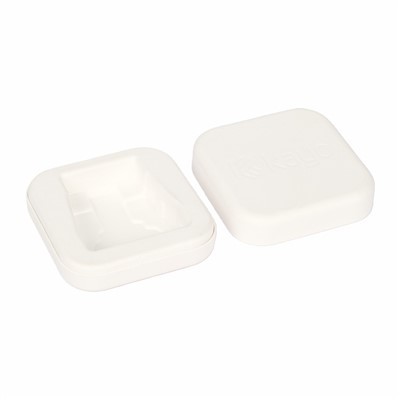
If you’re in the market for packaging and want to discuss which option is best for your products, I’d love to have a chat. Whether it’s about the strength requirements, cost – effectiveness, or environmental impact, I’m here to help you make the right choice. Reach out to me, and we can start a conversation about how pulp molded packaging or cardboard packaging can meet your specific needs.
Molded Fiber Packaging for 3C Electronics References
- "Packaging Materials and Their Properties" – A textbook on packaging science
- Industry reports on pulp molded and cardboard packaging trends
Dongguang K.B.D Pulp Mould Package Products Co., Ltd.
We are one of the most experienced pulp molded packaging manufacturers and suppliers in China, specialized in providing high quality products and service. Please feel free to buy bulk customized pulp molded packaging from our factory. For quotation and free sample, contact us now.
Address: No.4 Caimei 1st Road, Longjiantian Country, Huangjiang Town, Dongguan, China
E-mail: Kevin.wang@kbd.com.cn
WebSite: https://www.kbd-pack.com/
