Hey there! I’m a supplier of blue spirulina, and I often get asked if blue spirulina is a good source of magnesium. So, I thought I’d dive into this topic and share what I’ve learned. Blue Spirulina
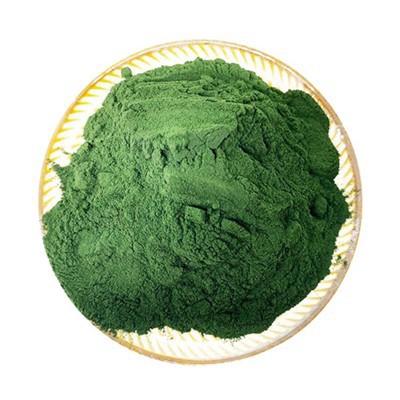
First off, let’s talk a bit about blue spirulina. It’s this super cool, bright – blue algae that’s packed with all sorts of nutrients. It’s not just a pretty color; it’s got some real health benefits. And magnesium is one of those important nutrients we’re going to focus on today.
Magnesium is a mineral that our bodies need for a whole bunch of functions. It helps with muscle and nerve function, keeps our heart rhythm steady, and even plays a role in making DNA and proteins. It’s like the unsung hero of our body’s operations.
So, is blue spirulina a good source of magnesium? Well, to answer that, we need to look at the numbers. Blue spirulina does contain magnesium, but how much and how does it stack up against other sources?
In 100 grams of blue spirulina, you can find around 100 – 150 milligrams of magnesium. That’s not too shabby! For comparison, a medium – sized banana has about 32 milligrams of magnesium. So, blue spirulina definitely has a higher magnesium content per weight.
But it’s not just about the quantity. We also need to think about how well our bodies can absorb the magnesium from blue spirulina. The good news is that the magnesium in blue spirulina is in a form that’s relatively easy for our bodies to take in. It’s bound up in the natural matrix of the algae, which means it can be released and used by our cells without too much trouble.
Another thing to consider is the overall nutritional profile of blue spirulina. It’s not just magnesium that it offers. It’s also rich in protein, antioxidants, and other vitamins and minerals. This means that when you’re getting magnesium from blue spirulina, you’re also getting a whole bunch of other health – boosting stuff at the same time.
For example, the antioxidants in blue spirulina can help protect our cells from damage caused by free radicals. And the protein is great for building and repairing muscles. So, it’s like a one – stop shop for nutrition.
Now, let’s talk about how you can use blue spirulina to get your magnesium fix. You can add it to smoothies. Just a teaspoon or two in your morning smoothie can give you a nice little boost of magnesium, along with a pop of that beautiful blue color. You can also mix it into yogurt or sprinkle it on top of your oatmeal.
But like with anything, it’s important not to overdo it. While blue spirulina is generally safe, too much of it could potentially lead to an overdose of certain nutrients. So, it’s a good idea to stick to the recommended serving sizes.
If you’re someone who has a magnesium deficiency or is looking to up your magnesium intake, blue spirulina could be a great option. It’s a natural, plant – based source of magnesium, which is always a plus. And if you’re on a vegan or vegetarian diet, it’s an especially good choice since many animal – based sources of magnesium aren’t available to you.
One of the things I love about being a blue spirulina supplier is that I get to see how people are using it in their daily lives. I’ve had customers tell me that adding blue spirulina to their diet has made them feel more energetic and has even improved their sleep. And while I can’t guarantee those results for everyone, it’s pretty clear that blue spirulina has some real potential.
Now, if you’re interested in trying out blue spirulina for its magnesium content or for all its other great benefits, I’d love to talk to you. Whether you’re an individual looking to add it to your diet or a business interested in sourcing blue spirulina, I’m here to help. We offer high – quality blue spirulina that’s been carefully sourced and tested to ensure its purity and nutritional value.
If you have any questions about blue spirulina, magnesium, or anything else related to our products, don’t hesitate to reach out. I’m always happy to have a chat and share more information.

In conclusion, blue spirulina is definitely a good source of magnesium. It offers a decent amount of this important mineral, it’s easy for our bodies to absorb, and it comes with a whole host of other nutrients. So, if you’re looking for a natural way to up your magnesium intake, give blue spirulina a try.
Chlorella References
- "Nutritional Composition of Spirulina platensis" – Journal of Food Science and Technology
- "Magnesium in Human Health and Disease" – The Journal of Nutrition
Dongtai City Spirulina Bio-Engineering Co., Ltd.
As one of the most experienced blue spirulina manufacturers and suppliers in China, we offer a wide range of products with superior quality. Please feel free to buy bulk blue spirulina made in China here from our factory. Good service and reasonable price are available.
Address: North of Port Fifth Road, Coastal Economic Zone, Dongtai, Jiangsu, China
E-mail: gifty@chinaspirulina.com
WebSite: https://www.chinaspirulina.com/
