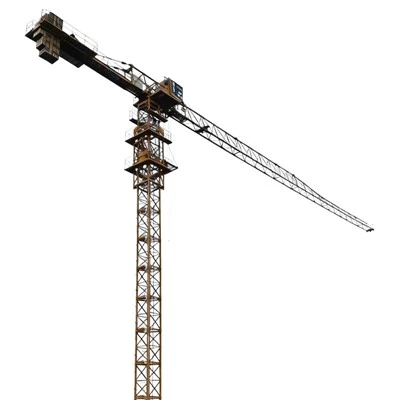
Dismantling a used tower crane is a complex and critical process that requires meticulous planning, specialized skills, and strict adherence to safety protocols. As a supplier of used tower cranes, I have witnessed firsthand the importance of a proper dismantling procedure. In this blog, I will share a comprehensive guide on how to dismantle a used tower crane, drawing from my experience in the industry. Used Tower Crane
Pre – Dismantling Preparations
1. Inspection and Assessment
Before initiating the dismantling process, a thorough inspection of the used tower crane is essential. Check the structural integrity of the crane, including the mast, jib, counter – jib, and base. Look for signs of corrosion, cracks, or any other damage that could affect the safety of the dismantling operation. Examine the mechanical components such as the hoist, trolley, and slewing mechanism. Ensure that all safety devices, like limit switches and brakes, are in working condition.
It is also important to review the crane’s maintenance records, if available. This can provide valuable information about the crane’s history, previous repairs, and any potential issues that need to be addressed before dismantling.
2. Planning and Permitting
Develop a detailed dismantling plan. This plan should include the sequence of operations, the equipment and tools required, the manpower needed, and the estimated time for completion. Consider the site conditions, such as the space available for storing the dismantled parts, the access routes for transporting the parts, and any potential hazards in the vicinity.
Obtain all the necessary permits from the local authorities. Tower crane dismantling is a regulated activity, and failure to obtain the proper permits can result in legal consequences. The permits may include construction permits, environmental permits, and transportation permits.
3. Equipment and Tools
Gather all the necessary equipment and tools for the dismantling process. This includes cranes for lifting the heavy parts, rigging equipment such as slings and shackles, wrenches, sockets, and other hand tools. Ensure that all the equipment is in good working condition and has been properly maintained.
4. Training and Safety Briefing
Provide training to the workers involved in the dismantling process. They should be familiar with the crane’s design, the dismantling procedures, and the safety protocols. Conduct a safety briefing before the start of the operation, emphasizing the importance of wearing personal protective equipment (PPE) such as hard hats, safety glasses, gloves, and safety harnesses.
Dismantling Process
1. Removing the Load and Counterweights
The first step in the dismantling process is to remove any loads from the crane’s hook. Lower the load to the ground and secure it properly. Then, remove the counterweights from the counter – jib. This is usually done using a crane or a forklift. Carefully lift the counterweights and place them in a safe storage area.
2. Detaching the Jib and Counter – Jib
Once the counterweights are removed, the next step is to detach the jib and counter – jib from the mast. This is a complex operation that requires precise coordination. First, loosen the bolts or pins that connect the jib and counter – jib to the mast. Then, use a crane to lift the jib and counter – jib and carefully lower them to the ground.
It is important to ensure that the jib and counter – jib are properly supported during the detachment process to prevent any damage or accidents.
3. Disassembling the Mast
After the jib and counter – jib are removed, the mast can be disassembled. Start by removing the top sections of the mast. Use a crane to lift each section and lower it to the ground. As you work your way down the mast, continue to remove the sections one by one.
When disassembling the mast, pay close attention to the connection points between the sections. Make sure that all the bolts or pins are properly removed and that the sections are separated safely.
4. Removing the Base
The final step in the dismantling process is to remove the base of the tower crane. This usually involves disconnecting the electrical and hydraulic systems, if any, and then removing the bolts or anchors that secure the base to the foundation. Use a crane to lift the base and transport it to a storage area.
Post – Dismantling Procedures
1. Cleaning and Maintenance
Once the tower crane is completely dismantled, clean all the parts thoroughly. Remove any dirt, grease, or debris from the components. Inspect the parts again for any damage that may have occurred during the dismantling process. Perform any necessary maintenance or repairs on the parts, such as painting, lubricating, or replacing worn – out components.
2. Storage and Transportation
Store the dismantled parts in a safe and dry location. Make sure that the parts are properly labeled and organized for easy identification. If the parts need to be transported, ensure that they are properly secured and protected during transit. Use appropriate transportation equipment, such as trucks or trailers, and follow all the relevant transportation regulations.
Safety Considerations
Throughout the entire dismantling process, safety should be the top priority. Here are some key safety considerations:
- Fall Protection: Workers should always wear safety harnesses when working at heights. Provide proper fall protection equipment, such as guardrails and safety nets, at all work areas.
- Electrical Safety: Before starting the dismantling process, disconnect the electrical power supply to the crane. Ensure that all electrical components are properly grounded and that workers are trained in electrical safety procedures.
- Lifting Safety: Use proper lifting equipment and techniques when lifting heavy parts. Make sure that the lifting equipment is rated for the weight of the parts being lifted. Inspect the rigging equipment regularly for any signs of damage.
- Communication: Establish clear communication channels between the workers involved in the dismantling process. Use hand signals, radios, or other communication devices to ensure that everyone is aware of the operations and any potential hazards.
Why Choose Our Used Tower Cranes
As a used tower crane supplier, we understand the importance of providing high – quality cranes and reliable services. Our used tower cranes are carefully inspected and maintained to ensure their safety and performance. We offer a wide range of tower cranes to meet the diverse needs of our customers.

When you choose our used tower cranes, you can benefit from our expertise in crane dismantling and installation. We can provide you with detailed guidance on how to dismantle and install the crane, ensuring a smooth and safe process. Our team of experienced technicians is always ready to assist you with any questions or concerns you may have.
Used Tower Crane If you are interested in purchasing a used tower crane or need more information about our products and services, please feel free to contact us for a procurement discussion. We look forward to working with you and helping you find the perfect tower crane solution for your project.
References
- American Society of Mechanical Engineers (ASME). (2018). Safety Standard for Tower Cranes. ASME B30.3.
- Occupational Safety and Health Administration (OSHA). (2019). Cranes and Derricks in Construction. 29 CFR 1926 Subpart CC.
- International Association of Tower Crane Owners (IATCO). (2020). Best Practices for Tower Crane Dismantling.
Tianjin Huizhi Import and Export Trading Co., Ltd.
We’re well-known as one of the leading used tower crane manufacturers and suppliers in China, specialized in providing high quality customized service. Please feel free to buy cheap used tower crane for sale here from our factory. Contact us for more details.
Address: Room 4175, Building D2, Zone D, Airport International Headquarters Base, Guangxuan Road, Dongli District, Tianjin, China
E-mail: admin@hugecrane.com
WebSite: https://www.hugecrane.com/
