In today’s environmentally conscious world, the biodegradability of food packaging paper has become a hot topic. As a long – standing supplier of food packaging paper, I’ve witnessed firsthand the increasing demand from customers for sustainable and eco – friendly packaging solutions. In this blog, I’ll delve into the question of whether food packaging paper is biodegradable, exploring the factors that influence its biodegradability, and sharing some insights from my experience in the industry. Food Packaging Paper/ Food Packing Paper
Understanding Biodegradability
Before we can discuss whether food packaging paper is biodegradable, it’s important to understand what biodegradability means. Biodegradation is the process by which organic substances are broken down by microorganisms such as bacteria, fungi, and algae into simpler substances like water, carbon dioxide, and biomass. For a material to be considered biodegradable, it must be able to break down within a reasonable time frame under specific environmental conditions.
The Basics of Food Packaging Paper
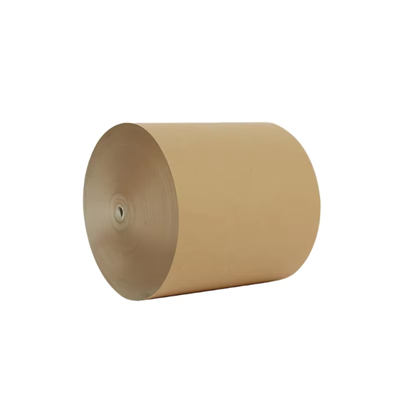
Food packaging paper is typically made from wood pulp, which is a natural and renewable resource. Wood pulp is derived from trees, and the process of turning wood into pulp involves breaking down the cellulose fibers in the wood. These cellulose fibers are what give paper its strength and structure.
In its purest form, paper made from wood pulp is biodegradable. Microorganisms in the environment can break down the cellulose in the paper over time, returning it to the natural cycle. However, the reality of food packaging paper is more complex than this basic understanding, as there are several factors that can affect its biodegradability.
Factors Affecting the Biodegradability of Food Packaging Paper
Coating and Laminations
Many food packaging papers are coated or laminated to improve their performance. For example, a wax coating can make the paper more moisture – resistant, which is essential for packaging items like sandwiches or oily foods. While wax is a natural substance, some types of wax coatings may contain additives that can slow down the biodegradation process.
Similarly, plastic laminations are often used to provide a barrier against oxygen, moisture, and grease. However, plastic is not biodegradable in the same way that paper is. When paper is laminated with plastic, the overall biodegradability of the packaging is significantly reduced. The plastic layer can prevent microorganisms from accessing the cellulose in the paper, making it difficult for the package to break down.
Chemical Additives
In addition to coatings and laminations, food packaging paper may also contain chemical additives. These additives can include dyes, inks, and preservatives. Some dyes and inks may be made from synthetic chemicals that are not easily biodegradable. Preservatives are used to extend the shelf – life of the paper and prevent the growth of mold and bacteria, but they can also interfere with the natural biodegradation process.
Environmental Conditions
The biodegradability of food packaging paper also depends on the environmental conditions in which it is disposed of. In a composting environment, where there is a rich supply of microorganisms, oxygen, moisture, and the right temperature, paper is likely to break down more quickly. However, if the paper is buried in a landfill, where there is limited oxygen and a less diverse microbial population, the biodegradation process can be much slower.
Assessing the Biodegradability of Our Food Packaging Paper
As a supplier, I’m committed to providing customers with accurate information about the biodegradability of our food packaging paper. We offer a range of products, each with different levels of biodegradability.
Uncoated and Unlaminated Papers
Our uncoated and unlaminated food packaging papers are the most biodegradable options. These papers are made from high – quality wood pulp and contain minimal chemical additives. They are suitable for packaging dry food items such as bread, pastries, and cookies. In a composting environment, these papers can break down within a few weeks to a few months.
Papers with Natural Coatings
We also offer papers with natural coatings, such as beeswax or plant – based oils. These coatings are designed to provide some level of moisture and grease resistance while still maintaining a relatively high degree of biodegradability. The natural coatings are broken down by microorganisms over time, allowing the paper to biodegrade as well.
Papers with Limited Plastic Laminations
For some applications where a higher level of barrier protection is required, we offer papers with limited plastic laminations. In these cases, we use thin layers of biodegradable or compostable plastics. While these laminations do slow down the biodegradation process compared to uncoated paper, they are still a more sustainable option than traditional non – biodegradable plastics.
The Importance of Biodegradable Food Packaging Paper
The demand for biodegradable food packaging paper is driven by several factors. Firstly, there is a growing consumer awareness of environmental issues. Consumers are increasingly looking for products that are sustainable and have a minimal impact on the environment. By using biodegradable food packaging paper, food businesses can meet this demand and enhance their brand image.
Secondly, there are regulatory requirements in many countries and regions that encourage or mandate the use of biodegradable and compostable packaging materials. As a supplier, we stay up – to – date with these regulations to ensure that our products meet the necessary standards.
Finally, from an environmental perspective, biodegradable food packaging paper helps to reduce the amount of waste that ends up in landfills. When paper biodegrades, it releases fewer greenhouse gases compared to non – biodegradable materials. This contributes to a more sustainable and circular economy.
Our Commitment to Sustainability
At our company, sustainability is at the core of everything we do. We are constantly researching and developing new technologies and materials to improve the biodegradability of our food packaging paper. We work closely with our suppliers to source wood pulp from sustainably managed forests, ensuring that our products have a minimal impact on the environment.
We also provide our customers with detailed information about the biodegradability of our products. We offer guidance on proper disposal and composting methods to ensure that our packaging paper is returned to the natural cycle as efficiently as possible.
Conclusion
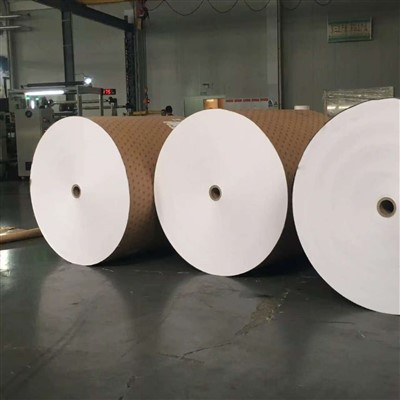
In conclusion, the biodegradability of food packaging paper is a complex issue that depends on several factors. While pure paper made from wood pulp is biodegradable, coatings, laminations, chemical additives, and environmental conditions can all affect its ability to break down. As a supplier, we offer a range of food packaging paper products with different levels of biodegradability to meet the diverse needs of our customers.
Non-wood Fiber Paper We believe that biodegradable food packaging paper is the future of the food packaging industry. It not only meets the growing demand for sustainable products but also helps to protect the environment. If you’re a food business looking for high – quality, biodegradable food packaging paper, we’d love to discuss your requirements. Contact us to start a conversation about how we can provide the best packaging solutions for your products.
References
- ASTM International Standards on Biodegradability Testing.
- European Union directives on Packaging and Packaging Waste.
- Environmental Protection Agency (EPA) reports on the impacts of packaging waste.
Senzo New Material Group Co., Ltd.
As one of the most professional food packaging paper/ food packing paper manufacturers and suppliers in China, we also support customized service. Please rest assured to buy high quality food packaging paper/ food packing paper made in China here from our factory. For price consultation, contact us.
Address: Dongying Bonded Area, Shandong, P. R. China
E-mail: info@aonuochina.cn
WebSite: https://www.senzopaper.com/
