Hey there, fellow engine enthusiasts! I’m a supplier of camshaft oil seals, and today I want to dive into how these little but crucial components differ across different engine types. Camshaft Oil Seal

Let’s start with the basics. A camshaft oil seal is like a tiny guardian in your engine. Its main job is to keep engine oil where it should be – lubricating the camshaft and other moving parts – and prevent it from leaking out. It also stops dirt and debris from getting in, which could cause all sorts of problems for your engine.
Now, let’s talk about the different engine types and how the camshaft oil seal behaves in each.
Gasoline Engines
Gasoline engines are the most common type you’ll find in cars and light trucks. They’re known for their smooth operation and relatively high power output for their size.
In a gasoline engine, the camshaft oil seal has to deal with a specific set of conditions. The combustion process in a gasoline engine is relatively fast and produces a lot of heat. This means the oil seal needs to be made of a material that can withstand high temperatures without losing its shape or sealing properties.
Most often, we use synthetic rubber materials like Viton for gasoline engines. Viton is great because it can handle temperatures up to around 200°C (392°F). It also has excellent resistance to gasoline and engine oil, which are the two main fluids it comes into contact with.
Another thing about gasoline engines is that they usually have a relatively high RPM (revolutions per minute) range. The camshaft spins faster, which puts more stress on the oil seal. So, the seal needs to have a good balance between flexibility and durability. If it’s too rigid, it might break under the high-speed rotation. If it’s too flexible, it won’t provide a proper seal.
Diesel Engines
Diesel engines are a bit different from gasoline engines. They’re known for their high torque output, which makes them great for heavy-duty applications like trucks and buses.
The combustion process in a diesel engine is different. It relies on compression ignition rather than a spark plug. This results in a slower, more powerful combustion that generates a lot of pressure. The camshaft oil seal in a diesel engine has to deal with this high-pressure environment.
We often use a different type of material for diesel engine camshaft oil seals, like nitrile rubber. Nitrile rubber is more resistant to the higher pressures and temperatures generated by diesel combustion. It can handle the heavier, thicker diesel oil better than some other materials.
Diesel engines also tend to run at lower RPMs compared to gasoline engines. But they still put a lot of stress on the camshaft oil seal due to the high torque. The seal needs to be able to withstand the constant pulling force without leaking.
Rotary Engines
Rotary engines, also known as Wankel engines, are a unique type of engine. They’re not as common as gasoline or diesel engines, but you might find them in some sports cars.
The design of a rotary engine is very different from a traditional piston engine. Instead of pistons, it uses a triangular rotor that spins inside a chamber. This creates a different kind of movement and pressure distribution in the engine.
The camshaft oil seal in a rotary engine has to adapt to this unique design. The seal needs to be able to seal around the irregularly shaped rotor housing. It also has to deal with the high-speed, non – linear motion of the rotor.
For rotary engines, we may use special silicone-based seals. Silicone has good flexibility and can conform to the odd shapes in a rotary engine. It also has good heat resistance, which is important because rotary engines can get pretty hot due to their high – speed operation.
Electric Engines
Okay, I know what you’re thinking – electric engines don’t have camshafts, so why are we talking about them? Well, some hybrid electric vehicles (HEVs) and plug – in hybrid electric vehicles (PHEVs) still have a gasoline or diesel engine as a backup or for additional power.
In these hybrid engines, the camshaft oil seal has to work in a different environment. The engine may not be running all the time, which means the seal has to deal with intermittent use. It also has to be compatible with the different lubrication systems that are often designed to work more efficiently in a hybrid setup.
We might use a combination of materials for hybrid engines. For example, a seal with a nitrile rubber base and a special coating to improve its performance in the stop – start environment of a hybrid engine.
Marine Engines
Marine engines are used in boats and ships. They have to operate in a very harsh environment – constantly exposed to water, salt, and high humidity.
The camshaft oil seal in a marine engine has to be extremely resistant to corrosion. We often use stainless – steel reinforced seals for marine applications. The stainless – steel provides extra strength and protection against the corrosive effects of saltwater.
Marine engines also tend to have a long – running time at a relatively low RPM. The seal has to be able to maintain its integrity over long periods of continuous use.
Aircraft Engines
Aircraft engines are the high – performance athletes of the engine world. They need to be extremely reliable and lightweight.
The camshaft oil seals in aircraft engines are made from high – tech materials like aerospace – grade polymers. These materials are not only lightweight but also have excellent heat and chemical resistance.
Aircraft engines operate at very high altitudes, where the temperature can drop significantly. The seals need to be able to function properly in these extreme cold conditions as well as the high – temperature environment during takeoff and flight.
So, as you can see, the camshaft oil seal is a very important component that has to be tailored to the specific needs of each engine type. Whether it’s the high – speed operation of a gasoline engine, the high – pressure environment of a diesel engine, or the unique design of a rotary engine, the right camshaft oil seal can make a big difference in the performance and reliability of your engine.
If you’re in the market for camshaft oil seals, whether you’re an engine manufacturer, a mechanic, or just a DIY enthusiast, I’m here to help. I’ve got a wide range of camshaft oil seals that are designed to fit different engine types. I can provide you with the right seal for your specific application and offer advice on installation and maintenance.
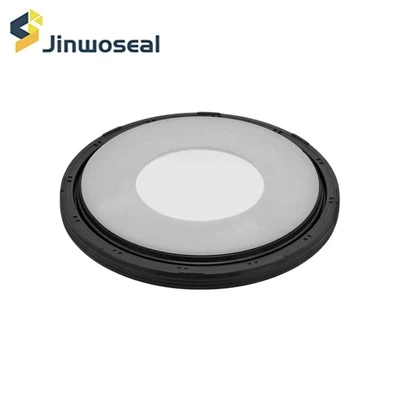
Don’t hesitate to reach out if you have any questions or if you’re ready to discuss your camshaft oil seal needs. Let’s work together to keep your engines running smoothly!
O Ring References:
- "Automotive Engine Design" by David Crolla
- "Diesel Engine Theory and Practice" by Charles Fayette Taylor
- "Rotary Engine Technology" by John J. Kelly
Hebei Jinwo Machinery Technology Co., Ltd.
Hebei Jinwo Machinery Technology Co., Ltd. is one of the most professional camshaft oil seal manufacturers and suppliers in China, featured by quality products and good price. Welcome to buy bulk advanced camshaft oil seal in stock here and get pricelist from our factory. We also accept customized orders.
Address: Room 2109, Tower A, Meidong International, No.16 Guang’an Avenue, Chang’an District, Shijiazhuang City, Hebei Province, China
E-mail: info@jinwoseal.com
WebSite: https://www.jinwoseal.com/
