Hey there! Let’s cut to the chase: if you’re deep in furniture manufacturing and wondering “Can I use titanium fasteners?” — short answer? Hell yeah, you 100% can. And as someone who’s been supplying titanium fasteners for over a decade, I’ve fielded this question more times than I can count from cabinet makers, custom furniture builders, even people making high-end outdoor patio sets. So let’s break this down like we’re chatting over coffee, no fancy jargon that’ll make your eyes glaze over. Titanium Fasteners

First, let’s get one thing straight: titanium isn’t just for aerospace or fancy race cars. It’s that perfect middle kid of metals — lighter than steel, way stronger than aluminum, and it doesn’t rust. Like, at all. I’ve had a batch of titanium screws sitting outside in my backyard (test, don’t do this at home) for 5 years, and they look exactly like the day I put ’em there. No rust stains, no pitting, nothing. Now, why does that matter for furniture? Let’s start with the biggest pain point I hear from furniture makers: rust ruining their work. If you build a dining set for a family that loves summer cookouts, and a steel screw under the seat gets splashed with soda or rain (or wine, let’s be real), that’ll rust in a year. Rust expands, right? So it’ll split the wood, leave ugly brown marks all over your finish, and then you’re stuck with a warranty claim or a bad Yelp review. Titanium eliminates that entirely.
Wait, but hold up — is titanium too “strong” for furniture? You’re probably thinking, “I don’t need a space-grade screw holding my coffee table together!” Let’s do a quick real-world test: a standard #8 steel wood screw has a tensile strength of around 60,000 psi. Our titanium #8 wood screws? 80,000 psi. That’s 33% stronger. For a coffee table? Overkill. For a dining table that 6 people jump up on? No problem. For an outdoor sectional that’s gonna take sun, snow, and that one dog that loves chewing on legs? It’s perfect. The other win here is weight. If you’re making a piece that needs to be moved — like a sideboard or a bookshelf — steel fasteners add heft. Titanium is 45% lighter than steel. So your custom bookshelf with titanium screws is easier for a customer to haul up stairs, no more back injuries or chipped door frames during delivery. That’s a selling point you can totally brag about: “Lightweight, rust-proof, super strong — and built to last longer than your grandkids.”
Now, let’s get into the nitty-gritty stuff you actually care about as a furniture maker: does titanium work with different materials? I’ve seen it work with solid oak, pine, MDF, veneer, even glass (yes, we make titanium fasteners for glass-to-table mounts). The only thing you gotta watch out for is galvanic corrosion when pairing titanium with other metals. Wait, that sounds scary, but it’s easy to fix. Galvanic corrosion happens when two different metals touch in the presence of moisture, causing one to corrode. But titanium is super noble — like, it barely reacts with anything. The only metal it plays nicely with is… well, almost all common furniture metals. If you’re mounting a steel drawer pull to a dresser, use a tiny amount of our dielectric grease (we sell it too) between the screw and the pull, and you’re good to go. I’ve never had a customer call back about a fastener issue from galvanic corrosion with our stuff.
Another big one: finish options. I know some furniture makers like that raw, industrial titanium look — like those exposed bolts on modern metal-and-wood sofas. We do natural titanium fasteners that have that sleek, matte silver finish that gets better with age (it forms a tiny, protective oxide layer, so it’ll never scratch or fade). But if you want something that matches your wood or metal finishes, we also do black oxide titanium, even brushed titanium, and we can custom anodize ’em in any color you need. Last year we did a batch of gold-colored titanium screws for a luxury bedroom set client that sold for $10k a piece. No joke, they were a hit. People love that custom touch without the hassle of paint chipping or rust.
Now, let’s talk about cost, because I know that’s always a big question. I get it — titanium is more expensive than steel. But wait, don’t let that sticker shock scare you. Let’s do the math. A box of 100 #8 steel wood screws costs like $5. A box of 100 titanium ones costs around $15. That’s 3x more, but here’s the catch: steel screws only last 5-10 years in outdoor or high-moisture furniture. Titanium lasts 50+ years. So over the life of the furniture, you’re actually spending less. Plus, think about warranty costs. If you sell a set with steel screws, you might get a call in 3 years about rust. With titanium? We’ve never had a warranty claim because of a fastener failure. Our customers tell me they use titanium for their high-end lines, and steel for their value lines, and the profit margins on the high-end ones are way bigger because titanium is a premium selling point. People will pay more for furniture that doesn’t rust, that’s light, that feels high-quality — and titanium is a tangible thing they can point to.
Wait, but what about specialty pieces? Like, if you’re making a handcrafted adirondack chair that’s gonna sit outside in the rain 10 months a year? Titanium is made for that. We had a client last year making outdoor patio sets for a luxury resort — they were using our 316 stainless steel fasteners before, but the salt air near the ocean was still causing rust spots. Switched to titanium, and the resort hasn’t had a single issue in two years. Another customer makes mid-century modern coffee tables with exposed bolts — they used to use steel, but the bolts would rust and leave stains on the wood tops. Now they use our natural titanium bolts, and those stains are gone, and the tables look better the longer they’re owned.
Is there any downside? Let’s be real, no product is perfect. Titanium is softer than steel, so if you’re driving a screw into really hard wood like teak or ironwood, you might need to pre-drill a slightly larger pilot hole. That’s it. We include a quick guide with every order that tells you exactly what size drill bit to use for common woods, so it’s not even a hassle. And as long as you’re not over-torquing the screws (don’t crank ’em so hard the head snaps), they hold just as tight as steel. I’ve never had a customer have a titanium screw snap under normal furniture use — not even when they’re assembling it.
Now, I’m not just here to sell you fasteners, I’m here to tell you the truth. I’ve seen furniture makers try titanium and love it, and I’ve seen them hesitate and regret not trying it earlier. The biggest misconception is that titanium is only for super niche, expensive projects. No, we supply titanium fasteners for everything from small custom bench makers to large-scale apartment building furniture contracts. We have bulk pricing for big orders, and we can cut custom lengths or sizes if you need something that’s not on our standard list. Last month we made a batch of 2-inch titanium screws for a client making floating shelves — they couldn’t find steel screws long enough that wouldn’t rust, so titanium was the only option.
Here’s the thing: furniture is an investment, right? Your customers are buying something that’s supposed to last, not just something that falls apart in a couple years. Using titanium fasteners is a small change that makes a huge difference in the quality of your product. It’s a selling point you can put on your website: “Built with rust-proof titanium fasteners, guaranteed to last a lifetime.” That’s way better than “Built with steel screws, replace as needed.”
If you’re still on the fence, here’s what I suggest: order a small test batch. Try 50 #8 wood screws, or a dozen bolts for a chair, and test them. Drive them into your wood, leave them outside for a month, see how they hold. I bet you’ll come back for more. We also have a sample program — if you tell me what kind of furniture you make, I’ll send you a free sample pack of our most popular fasteners, so you don’t have to waste money on something that might not work for you.
At the end of the day, titanium fasteners aren’t just a trendy upgrade. They’re a practical, long-lasting solution to one of furniture manufacturing’s oldest problems: rust, weak fasteners, and pieces that don’t hold up over time. Whether you’re a small custom maker just starting out, or a big manufacturer doing bulk orders, we’ve got titanium fasteners that fit your needs, at prices that make sense.
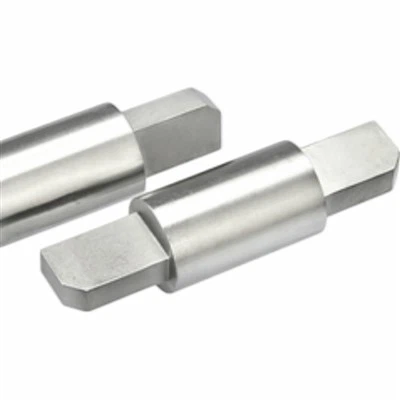
If you’re ready to stop dealing with rusted screws, warranty claims, and customers who want something that actually lasts, hit us up. We can walk you through sizes, finishes, bulk pricing, whatever you need. Let’s make your next line of furniture the best one yet.
Titanium Products References:
- Davis, J.R. (2000). Alloying: Understanding the Basics. ASM International.
- Furniture Industry Research Association. (2019). Durability of Fasteners in Outdoor Furniture Applications. FIRA Report 124.
- American Society for Testing and Materials. (2021). Standard Test Method for Tensile Strength of Metallic Fasteners. ASTM F606-21.
Address: Wangjing Science and Technology Park, Guangshun North Street, Chaoyang District, Beijing
E-mail: sales@moly-tungsten.com
WebSite: https://www.moly-tungsten.com/
