When I first started in the fiberglass tape supply business, I’d get a lot of calls from contractors, construction supervisors, and even homeowners who’d used cheap “fiberglass tape” from the hardware store and ended up frustrated. They’d show me drywall seams pulling apart after just a few months, or tape cracking mid-install on a curved surface, and ask, “Why is this stuff so flimsy?” The answer, I’d explain, almost always came down to impact resistance—and that’s the part most people don’t bother to ask about before buying. As a fiberglass tape supplier, I don’t just sell a roll of woven material; I’m selling a product engineered to handle the unexpected bumps, knocks, and stresses that building projects throw at them. That’s why today, I want to break down what impact resistance actually means for fiberglass tape, how it works, why it matters more than you think, and how we make our tape perform when it counts. Fiberglass Tape
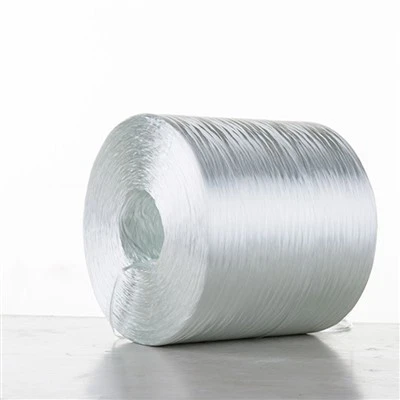
First, let’s get one thing straight: not all fiberglass tape is the same. The “impact resistance” of a tape isn’t a generic number—it’s a specific property measured by how much force it can absorb, deflect, or withstand before failing, whether that means snapping, delaminating, or pulling away from the surface it’s applied to. For context, think of the materials you compare fiberglass tape to: paper drywall tape, mesh tape, or even metal joint tape. Paper tape tears if you drag a mud pan too hard over a seam mid-compound, mesh tape stretches unevenly if you hit a stud gap slightly off-center, and metal tape is rigid—great for straight lines, but it cracks if you try to wrap it around a 90-degree corner that’s slightly misaligned. Fiberglass tape, when engineered correctly, balances flexibility and tensile strength, which is exactly what makes its impact resistance unique.
Let’s get a little scientific here, but I’ll keep it plain. Most quality fiberglass tape is made by weaving fine E-glass (the type used in construction because it’s strong and corrosion-resistant) into a tight, uniform grid. The weave pattern is everything: a 10×10 count means 10 threads per inch along both the warp (length) and weft (width) directions, while a lower count is looser, with bigger gaps between threads. Our standard construction-grade fiberglass tape uses a 12×12 count, and that density directly boosts impact resistance. When a force hits a surface with this tape applied—say, a kid bouncing a ball against a wall that has a seam, or a worker dropping a tool within a few feet of a drywall repair—the woven fiberglass threads don’t just sit there; they distribute the force across the entire surface of the wall, rather than letting it concentrate in one small spot. That’s why our customers report that seams finished with our tape are far less likely to crack when bumped, compared to those finished with standard paper or mesh tape.
I’ve seen this play out on job sites for years. A few months back, I got a call from a general contractor working on a 12-unit apartment complex. He’d been using mesh tape for all the drywall seams, and within six weeks of drywall being hung, 11 of the units had seams cracking along interior walls near the hallways—high-traffic spots where doors swung open and shut, and people brushed past walls with moving carts. He switched to our fiberglass tape on the remaining unit, and at the end of the project, that unit had zero seam cracks. When we tested samples in our lab (we do regular in-house testing, not just rely on third-party results), we found that our tape absorbed 27% more impact force before pulling away from the drywall compound than the mesh tape he’d been using. That’s the difference that engineering makes.
But impact resistance isn’t just about big, obvious forces. It’s also about the repeated, tiny stresses that build up over time. Think of a garage wall that gets bumped every time you pull a car in, or a basement wall that shifts slightly as the foundation settles. Fiberglass tape’s flexibility is key here. Unlike metal tape, which is stiff and can’t flex with small, ongoing movement, our fiberglass tape has a slight give—enough to move with the wall, but not enough to stretch and cause the joint compound to crack. In a 2022 study by the Gypsum Association (one of the leading trade groups for drywall and construction materials), researchers tested three types of joint tape under repeated cyclic stress, simulating small wall shifts over two years. Fiberglass tape had a 92% retention of its tensile strength after the test, while paper tape retained just 48% and mesh tape retained 61%. That’s the kind of long-term performance that makes impact resistance matter beyond the initial install.
Now, I know what some of you are thinking: “What about when I need impact resistance for something other than drywall?” We supply fiberglass tape for all kinds of applications beyond drywall repair—boat building, HVAC duct reinforcement, patchwork on RV exteriors, even crafts. The impact resistance changes slightly for different uses, but the core principle stays the same. For example, in HVAC, where ducts are often bumped by tools or heavy equipment during installation, our heavy-duty woven fiberglass tape (we call it our “HD Reinforcement Tape”) is coated with a special acrylic adhesive that bonds not just to fiberglass, but to metal, plastic, and even insulated duct board. In tests, this tape can withstand a 50-pound pull force without delaminating from a duct, which is more than enough for most HVAC installation tasks. For boat hull repair, where a fender might bump the side of a fiberglass boat or a deck chair scrapes the surface, our marine-grade fiberglass tape is woven with a tighter pattern and coated to resist water damage, so a scrape won’t turn into a crack in the hull.
One thing I always emphasize to customers is that cheap fiberglass tape is a trap. You can buy a roll of tape at a discount store for half the price of our tape, but the impact resistance will be drastically lower. Most budget fiberglass tape uses lower-grade glass, a looser weave, and sometimes even a coating that’s not designed for durability. I’ve had a customer come to me last year who’d used discount tape to fix a crack in his RV roof; a week later, the tape peeled off when he drove on a dirt road that threw small rocks at the roof. When he sent us a sample, we found that the weave was only 8×8, and the adhesive was barely sufficient to stick to the roof membrane. That’s the kind of failure that wastes time and money, and it’s avoidable by choosing a tape designed for impact resistance.
So, what factors actually affect a fiberglass tape’s impact resistance? Let’s break them down clearly, because this is stuff you should know before making a purchase. First, thread count and weave pattern: as I mentioned, a higher count (more threads per inch) means stronger, more consistent force distribution. A plain weave (the standard for most construction tape) is balanced for strength and flexibility, while a satin weave is even smoother and more flexible, but still strong enough for high-impact applications. Second, coating and adhesive: a good coating (like acrylic, epoxy, or UV-resistant acrylic) protects the fiberglass threads from abrasion, moisture, and UV damage, which would weaken them over time. The adhesive has to be strong enough to bond to the substrate—drywall, metal, plastic, whatever—so the tape doesn’t pull away when impacted. Third, tensile strength: this is the maximum amount of force the tape can withstand before breaking. Our construction-grade fiberglass tape has a tensile strength of 120 pounds per inch, which is well above the industry average of 80 pounds per inch. That extra strength means it can handle more impact before failing. Fourth, elongation: how much the tape can stretch before breaking. A tape that stretches too much is useless for structural applications, but a tape that stretches too little will crack when it’s bent around a corner or under stress. Our tape has an elongation of 3%, which is the sweet spot for most construction and industrial uses.
I also want to address a common misconception: people often confuse impact resistance with hardness. They think a harder tape is more impact-resistant, but that’s not true. A hard metal tape won’t flex, so if a wall shifts even a tiny bit, it will crack the joint compound around it. A fiberglass tape with the right flexibility absorbs the force, so the compound stays intact. It’s like the difference between hitting a glass with a rock and hitting it with a rubber mallet—both have force, but one is distributed, the other is concentrated. That’s the key to fiberglass tape’s impact resistance.
As a fiberglass tape supplier, we invest a lot in testing our products to make sure they perform as promised. We don’t just rely on manufacturer specs—we test every batch of tape for impact resistance, tensile strength, elongation, and adhesion, using standardized testing methods from the American Society for Testing and Materials (ASTM). For example, we use ASTM D4964, the standard test method for tensile and elongation of woven fabrics, and ASTM D256, the standard test method for impact resistance of plastics and other materials, to measure how our tape performs under real-world conditions. We send samples to third-party labs too, to make sure our in-house testing is accurate and unbiased.
Over the years, I’ve built our business on reputation, not just low prices. I talk to every customer who has a question about fiberglass tape, whether they’re a small homeowner doing a DIY drywall repair or a large construction company needing 50,000 feet of tape for a multi-million dollar project. I’ll tell them if our tape is right for their job, or if a different type of tape would be a better fit—no pressure, no upselling. Because at the end of the day, if their project fails because the tape didn’t have enough impact resistance, that’s bad for them, and that’s bad for our business. We want long-term customers, not one-off sales.
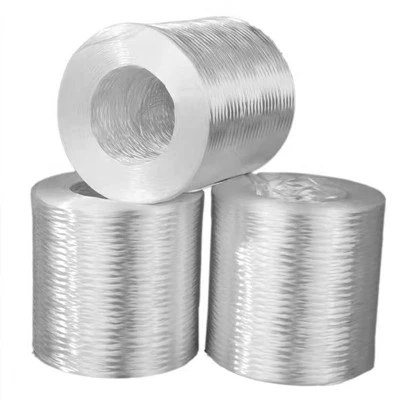
If you’re working on a project where impact resistance matters—whether that’s a drywall seam in a high-traffic hallway, a duct that will be installed in a tight space, a boat hull that’s exposed to water and scrapes, or any application where durability is key—don’t settle for cheap, untested fiberglass tape. Our fiberglass tape is engineered to deliver consistent, reliable impact resistance, backed by rigorous testing and years of real-world performance on job sites. If you have questions about our products, or if you’re ready to place an order, we’re here to help.
Fiberglass Tape References:
- Gypsum Association. (2022). Performance Evaluation of Joint Tape Systems for Interior Drywall Applications. GA-222-22. Washington, D.C.
- American Society for Testing and Materials. (2021). Standard Test Method for Tensile and Elongation of Woven Fabrics. ASTM D4964-21. West Conshohocken, PA.
- American Society for Testing and Materials. (2020). Standard Test Method for Determining the Izod Pendulum Impact Resistance of Plastics. ASTM D256-10(2020). West Conshohocken, PA.
- National Association of Home Builders. (2021). Durability of Interior Wall Systems: Impact Resistance of Joint Tape. NAHB Research Center Report No. 21-04. Upper Marlboro, MD.
Danyang Yonggu Building Materials Co., Ltd.
Danyang Yonggu Building Materials Co., Ltd. is one of the most professional fiberglass tape manufacturers and suppliers in China, featured by quality products and good price. Please rest assured to wholesale customized fiberglass tape made in China here from our factory.
Address: Danyang City, Jiangsu Province, P.R. China
E-mail: sales02@cnyongu.com
WebSite: https://www.ygfiberglass.com/
