Hey there, if you’ve ever stood next to a humming power substation or watched a retail store’s lights flicker back on right after a storm, you’ve got power switchgear to thank for that. I’ve been selling switchgear for over 12 years now, and I can’t tell you how many times customers have asked me, “What even is this stuff, and why don’t I hear about it more until it breaks?” Fair question—most of us only think about this gear when something goes wrong, but it’s the unsung hero keeping your industrial motors, office HVAC, grocery store freezers, and even your home’s backyard generator from turning into a giant fire hazard. Today I’m breaking down exactly how our switchgear does its job of protecting everything electrical, without the boring textbook jargon. Power Switchgear

First, let’s get one thing straight: switchgear isn’t a single gadget—it’s a whole team of components working together like a pit crew at a race. Think of it as the traffic cop, the lifeguard, and the fire marshal all rolled into one boxy, metal-clad unit we ship out of our warehouse every week. The main parts you’ll find in almost any set of switchgear are circuit breakers, fuses, relays, disconnect switches, and those little current transformers that look like big donuts wrapped around wires. Each of these does a specific job, but their superpower is reacting way faster than any human can to issues that would wreck your equipment.
Let’s start with the big scary problem first: overloads and short circuits. I’ve seen a 500-horsepower conveyor belt at a packaging plant melt down because a loose wire sparked, and that’s exactly what switchgear is built to stop. An overload is when you’re drawing too much power for too long—like plugging 10 space heaters into one outlet in your garage—and that extra current overheats wires, wears out motors, and can even cause insulation to break down over time. A short circuit is the wilder cousin: that’s when a “stray” current takes a shortcut, jumping from a hot wire to a neutral or ground instead of going where it’s supposed to. That surge of electricity is hundreds or even thousands of times normal current, and it can turn copper wires to liquid in milliseconds.
Here’s where the magic happens. The current transformers I mentioned earlier are the first line of defense—they’re those donut-shaped parts that wrap around each power line going into the switchgear, and they measure how much current is flowing, like a speedometer for electricity. If the current is way higher than it should be (or even a little higher, over a longer period), the relay kicks in. Relays are basically the brain of the operation—they get the signal from the current transformers, check it against pre-set numbers (you can program them for your exact equipment, which is why one size never fits all), and then send a signal to the circuit breaker to trip.
Now, circuit breakers vs. fuses—this is a question I get all the time, and it’s not just semantics. Fuses are simpler, cheaper, and you’ve definitely seen them in car boxes or old appliance plugs: they have a thin metal strip that melts when too much current flows, breaking the circuit. The downside? Once a fuse blows, you have to replace the whole thing—no resetting, just a new part. Circuit breakers, on the other hand, are reusable. When they trip, they just flip open, breaking the circuit, and you can reset them with a switch. For our commercial and industrial customers, circuit breakers are non-negotiable most of the time, because if a plant’s production line goes down, waiting for a fuse replacement costs way more than a new breaker. That said, we still supply fuses for smaller, low-power setups like control cabinets where downtime isn’t as big a deal.
Wait, but what about arc flashes? If you’ve ever heard that term, it sounds like something out of a horror movie, and for good reason. An arc flash is when electricity jumps through air between two conductors, creating a blast of heat that can reach 35,000 degrees Fahrenheit—hotter than the surface of the sun—plus a pressure wave that can blow doors off substation cabinets and seriously injure anyone nearby. Good switchgear is built to contain those arc flashes, not just stop the power surge. The metal enclosures we use are rated for arc resistance, meaning they’re tested to hold in that blast so it only goes where it’s supposed to, keeping your equipment safe and your team out of harm’s way. Some of our newer models even have arc detection sensors—little cameras or light sensors inside the cabinet that spot an arc flash in less than a millisecond, and trip the circuit breaker even faster than traditional relays, cutting the time the arc exists way down. That’s a game-changer for preventing damage.
Let me give you a real example of this in action. A couple years back, we sold a set of medium-voltage switchgear to a food processing plant in the Midwest. Their main processing line’s motor was acting up—they thought it was just wear and tear, so they tried to run it while they waited for a repair part. Halfway through a shift, a loose connection inside the motor caused a short circuit, and the current transformers picked up the surge instantly. The relay tripped the circuit breaker in 0.02 seconds—faster than you can blink. The arc was contained inside the switchgear cabinet, the plant didn’t have to shut down for more than 10 minutes to reset the breaker, and the only damage was a tiny scuff on the cabinet door. If they hadn’t had the right switchgear, that short would’ve taken out the whole processing line, cost them tens of thousands in lost product, and probably burned out the $200k motor. I still get a Christmas card from the plant manager every year, so that story’s stuck with me.
Another big job switchgear does is disconnect parts of the system for maintenance without killing all power. Let’s say you need to fix a part of your substation or your warehouse’s electrical panel. If you just flip a regular breaker, wait—sometimes that’s not enough. Disconnect switches, which are separate parts of the switchgear lineup, physically separate the component you’re working on from the power source, creating a visible gap. That way, your electrician doesn’t accidentally touch a live wire because the breaker’s label said it was off, but it was faulty. This is super important for safety, and it’s why we always emphasize that switchgear isn’t just for protecting equipment—it’s for protecting the people working on it too.
I get asked a lot if newer tech is making switchgear obsolete, or if smart grid stuff is replacing it. No way—if anything, smart switchgear is making it better. We’ve started adding remote monitoring features to our units over the last five years, which means you can check how your switchgear is doing from your phone or office computer, no need to send a tech out to the substation at 2 a.m. If the current levels start to creep up a little, before they even hit an overload threshold, you’ll get an alert. That means you can fix a loose connection or replace a worn part before it causes a surge or a short circuit—preventing downtime before it even starts. We had a customer in Texas use this last summer during a heatwave—their AC system was drawing extra power on the hottest day of the year, and the remote alert told them to rearrange their load a day before the switchgear would’ve tripped automatically. They avoided a shutdown and saved thousands on lost sales for their retail stores.
Now, I should be real with you—switchgear isn’t something you buy once and forget about forever. Like any piece of electrical gear, it needs regular testing and maintenance. I’ve seen customers buy cheap, off-brand switchgear that does the bare minimum, then skip testing it for 10 years, and when it finally has to trip, it doesn’t work right. That’s a huge risk. Our team always walks customers through a maintenance schedule—annual thermal scans to check for overheating connections, testing the relays and breakers to make sure they trip at the right current level, and replacing parts that wear out, like the spring mechanisms in circuit breakers. It’s not glamorous, but it’s the difference between your switchgear working when you need it, and it failing when you can least afford it.
I know a lot of people hear “Power Switchgear Supplier” and think we just sell heavy metal boxes, but what we’re really selling is peace of mind. Whether you’re a small business owner with a single commercial oven, a plant manager overseeing 100 tons of machinery, or a utility company keeping the lights on for a whole town, your electrical system is only as reliable as the gear protecting it. Over my years in this business, I’ve seen way too many horror stories of facilities losing months of production, thousands of dollars in inventory, or even putting workers in danger because their switchgear was outdated, undersized, or low-quality.
If you’re looking to upgrade your current switchgear, or you’re outfitting a new build and need something tailored to your specific setup—whether that’s low-voltage for an office building, medium-voltage for a manufacturing plant, or high-voltage for a substation—our team can walk you through what you actually need, no pushy sales tactics, no jargon you don’t understand. We’ll assess your power load, your downtime needs, your budget, and make sure you get switchgear that protects your equipment, your people, and your bottom line. Don’t wait until something goes wrong—most switchgear failures are preventable, and a little planning now can save you way more later.
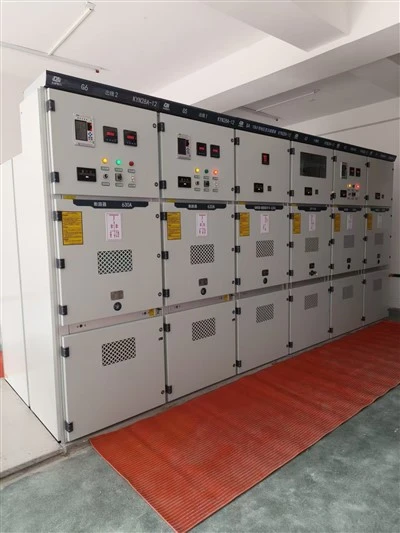
Whether you’re tired of unexpected downtime, worried about safety compliance, or just want your electrical system to run smoother, we’re here to help. Reach out to our team to chat through your needs, no pressure, no fine print. We’ve worked with small businesses and large corporations across all kinds of industries, and we know what works.
AC Voltage Transformer References
- IEEE Guide for Electrical Installation and Maintenance of Medium-Voltage Switchgear, IEEE Standard C37.92, 2018.
- National Fire Protection Association (NFPA) 70E: Standard for Electrical Safety in the Workplace, 2021 Edition.
- American National Standards Institute (ANSI) C37.20.1: Switchgear, Metal-Enclosed, Low-Voltage, 2020 Revision.
- Electric Power Research Institute (EPRI), “Arc Flash Mitigation Best Practices for Industrial Facilities,” 2022.
- Underwriters Laboratories (UL) 67: Standard for Safety for Switchgear, 2021 Edition.
Jiangshan Da’an Electric Power Equipment Co., Ltd.
As one of the most professional power switchgear manufacturers and suppliers in China, we have world-leading production equipment and strong manufacturing capabilities. Please feel free to buy high quality power switchgear made in China here from our factory.
Address: No. 7 Longfei Road, Shuangta Sub-district, Jiangshan City, Zhejiang Province, P.R. China
E-mail: 1614665601@qq.com
WebSite: https://www.daan-electrical.com/
