If you’ve ever worked on an underground pipeline project, chances are you’ve rummaged through a toolbox at 2 a.m. in a mud-caked work truck, wondering if you can grab that oilfield threader you’ve got lying around to fix a tight joint fast. That’s exactly the question I get at least twice a week as a petroleum pipe thread tools supplier: Can the gear we make for oil pipelines actually work for underground water, gas, or even municipal sewer lines? The short answer? It’s not a straight yes or no—let me break that down from someone who’s seen way too many field fails and way too many wins to give a generic “it depends” cop-out. Petroleum Pipe Thread Tools
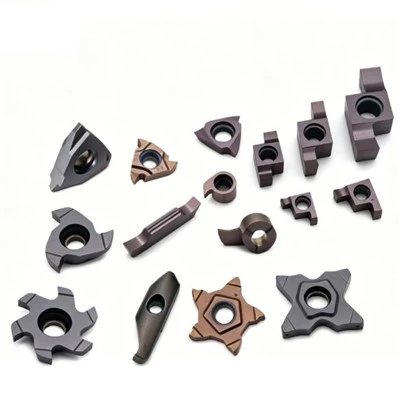
First, let’s get one thing straight: petroleum pipe thread tools aren’t the same as the cheap hand threaders you pick up at a home improvement store for a backyard hose bib. We design ours for harsh, high-stakes environments—think oil rigs 10,000 feet down, where pressure, corrosion, and temperature swings make a loose thread a catastrophic risk. That durability is exactly why a lot of underground pipeline crews eye our gear, because let’s be real: underground work is not gentle. You’re digging in clay, rock, flooded ditches, even areas with high groundwater that eats through standard tools fast. Our threaders are built from heavy-duty steel, coated to resist rust and abrasion, and calibrated to handle pipe sizes most common underground projects use—from 2-inch water lines up to 20-inch gas mains. But here’s the catch: the pipe itself matters a lot. Petroleum pipes are usually high-grade steel, often with thick walls and heavy wall thickness, while a lot of underground pipes are thinner, maybe cast iron, PVC, or even the cheaper carbon steel used for municipal lines. Our thread tools cut deep, sharp threads to create a metal-to-metal seal that can hold 10,000 PSI—way more pressure than most underground systems, which top out at like 200 PSI for water lines. So if you’re threading thick, heavy steel underground pipe? Our gear works like a charm. If you’re dealing with thin-walled PVC or cast iron? You’ll warp the pipe before you get a clean thread, and that’s a whole other headache.
I remember a job last year out in West Texas—this crew was laying a 12-inch natural gas line under a county road, and their standard underground threader died halfway through the job. They called me panicking at 7 a.m., and I dropped off a portable petroleum pipe threader, a few die heads, and reminded them to watch the feed pressure. They ended up finishing the job in half the time they planned, and the line’s been holding for 18 months now with zero leaks. That’s the good side of this: petroleum thread tools have that extra power and precision that makes them ideal for underground work where a leak can mean re-digging 10 feet of road, paying fines, and dealing with angry county inspectors. But I’ve also seen a job go south hard—last year in Oklahoma, a small town sewer crew borrowed our 1.5-inch pipe threader for a thin-walled cast iron line, and they stripped the threads so bad they had to replace 20 feet of pipe. They didn’t know that petroleum threaders cut a different thread pitch—NPT (National Pipe Taper) vs. the straight threads used for some municipal lines. That’s a key detail most people miss: not all threads are created equal. Petroleum pipe threads are tapered, which is perfect for creating a tight, pressure-tight seal as you screw them together, but that taper isn’t always what underground projects need. Some underground lines use straight threads with a gasket or Teflon tape, and our tools don’t cut that. So if you don’t match the thread type to what your pipe needs, you’re asking for trouble.
Another big factor underground is space. A lot of pipeline installations are in tight trenches, where you can barely fit a person, let alone a big, bulky petroleum pipe threading machine. Our portable threaders are designed for that—we make compact, hydraulic-powered units that can fit in a 3-foot wide trench, no problem. They’re lighter than the old electric rig-mounted threaders, too, so you can drag them around without needing a crane. But if you’re working in an even tighter spot, like under a sidewalk, even our compact models might be too big. That’s when you have to look at smaller, hand-held threaders—something we also make, by the way, just not marketed as “petroleum gear” because they’re smaller. So it’s not that petroleum pipe thread tools can’t work; it’s that you have to pick the right size, the right thread pitch, and know your pipe specs to make it work. I always tell crews: don’t just grab any threader from the back of your truck. Pull out your pipe specs first—wall thickness, material, pressure rating, thread type—and cross-reference it with what we make. If it lines up, great. If not, we can point you to the right tool for the job, no hard feelings.
Wait, let’s talk about maintenance, because that’s a huge part that people ignore. Petroleum pipe thread tools are built to last, but they need regular care—oil on the gears, replacing worn die heads, making sure the motor is clean. A lot of underground crews work fast, and they cut corners on maintenance, so when they use a petroleum threader that’s been sitting in a truck for 6 months without being serviced, it cuts a lopsided thread, and that’s how leaks start. I had a customer last month who bought a used petroleum pipe threader from another supplier, and it came with worn die heads. He used it on a 4-inch water line, and the threads were so uneven that he had to rethread every joint. That’s a mistake that’s avoidable—our team always walks new customers through how to prep, use, and maintain their thread tools, because we don’t just sell gear; we’ve been working underground and oilfields for decades, and we know what works when the ground is wet and the clock is ticking.
Now, let’s get to the biggest myth out there: petroleum pipe thread tools are too expensive for underground projects. Yeah, if you buy a fancy, full-sized rig-mounted threader that costs $5,000+, that’s way more than the $500 hand threader at Home Depot. But we make entry-level, portable petroleum threaders for under $1,500, and that’s cheaper than renting a specialty underground threader for a big job. Plus, our tools last 5x longer than the cheap ones you get at the hardware store, so over time, they save you money. That’s a selling point most people don’t consider. If you’re doing a job that takes 6 months, owning a quality threader that doesn’t break mid-project is way better than renting something that dies every other week.
I’ve also worked with a lot of underground utility companies that use our petroleum pipe thread tools for cross-country pipelines, where they’re laying lines under farms, highways, even rivers. Those jobs demand that level of durability, right? You can’t have a leak 10 feet under a cornfield because a thread stripped. Our tools are calibrated to make threads that meet API (American Petroleum Institute) standards, which are some of the strictest in the industry. That same standard translates to underground work, because it means the joint will hold up to ground shifting, temperature changes, even minor corrosion from soil chemicals. A lot of standard underground threaders don’t meet that kind of standard, so after a few years, those joints start leaking. I’ve had customers tell me they switched to our tools and cut their leak rate by 90% on underground jobs. That’s a game-changer for anyone who’s had to dig up a repaired line again.
But let’s be real—there are cases where petroleum pipe thread tools just don’t make sense. If you’re doing a small residential job, like replacing a water line under a foundation, a $50 hand threader is way more practical than a $1,500 petroleum portable model. If you’re working with plastic pipe, you can’t use metal thread tools at all—they’ll melt or crack the PVC, so you need plastic threading tools. That’s why my team always asks a ton of questions when a customer calls: What’s your pipe material? Size? Pressure rating? Job location? Are you working in a trench or above ground? Because we don’t want to sell someone a tool that’s not right for their needs. We’d rather they take their time, get the right gear, and do the job right than have them come back mad because our “petroleum tools” didn’t work for their small sewer job.
One last thing: I get a lot of pushback from underground crews who say, “Our tools work fine, we don’t need oilfield gear.” And yeah, if you’re doing standard, small jobs, that’s true. But if you’re working on larger, high-pressure lines, or jobs where downtime costs you thousands of dollars an hour, petroleum pipe thread tools are worth looking into. I’ve seen too many projects where a cheap, mis-matched threader caused delays that ate into the budget, or worse, safety issues. Our tools are built to handle the kind of stress underground work throws at you, and that makes a difference when you’re in a situation where you can’t afford to mess up.
At the end of the day, the answer to whether petroleum pipe thread tools can be used for underground pipelines is: yes, when used correctly. It’s not a one-size-fits-all, but it’s a valid option that a lot of crews overlook because they don’t know the specs, or they assume our gear is only for oil rigs. We’ve been supplying these tools for both oil and underground projects for years, and we’ve learned that the best tool is the one that fits your specific job—whether that’s an oil rig 10,000 feet down or an underground water line in suburban Ohio.
If you’re working on an underground pipeline project and you’re not sure what thread tools you need, hit us up. We can walk you through the specs, recommend the right tool for your pipe size and material, and even give you tips for using it in tight trenches or wet conditions. No pressure, no sales pitch—just real advice from someone who’s been in the field, seen the fails, and knows what works.
Tool Holder References
- American Petroleum Institute. (2021). Specification for Threading, Gaging, and Thread Inspection of Casing, Tubing, and Line Pipe Threads (API Spec 5B).
- National Association of Water Companies. (2022). Underground Pipeline Installation Best Practices for Small to Medium Diameter Lines.
- Occupational Safety and Health Administration. (2020). Tool Safety Guidelines for Underground Construction and Trenching.
Shun Wei Precision Technology Co., Ltd.
With abundant experience, we are one of the most reliable petroleum pipe thread tools manufacturers and suppliers in China. We warmly welcome you to buy durable petroleum pipe thread tools at competitive price from our factory. If you have any enquiry about cooperation, please feel free to email us.
Address: Room901, Building2, Yijing Apartment, Northeast side of the intersection of Central Avenue and East Fifth Road, Tianjin Free Trade Zone (Airport Economic Zone)
E-mail: sale@sw-csd.com
WebSite: https://www.tjswprecisiontool.com/
