Hey everyone, Poncho Fabric
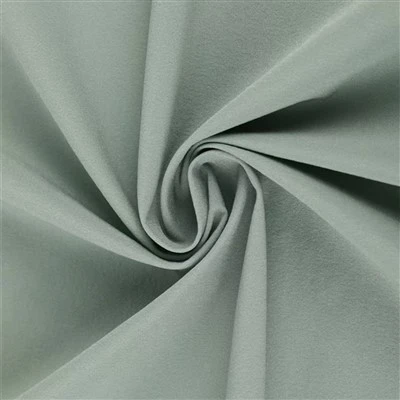
If you’ve ever shopped around for ponchos—whether for camping, festivals, travel, or even just quick rain protection—you’ve probably stared at a dozen fabric options and thought, “Wait, do I actually stay dry under here, or do I end up sweating through the whole thing 10 minutes later?” As a poncho fabric supplier, this is the question we get more than any other: Is poncho fabric actually breathable? And I get it—breathability isn’t just a “nice to have” anymore. It’s the difference between a poncho that works for 8 hours at a music festival and one you’re shoving in the bottom of your bag after 20 minutes, dripping wet and miserable.
Let’s start with the basics, no stuffy jargon, I promise. First, what does “breathable” even mean when we’re talking fabrics? It’s not just “air can pass through.” It’s two things, really: first, air circulation (so hot, moist air from your body can move out, and cooler, drier air can move in), and second, moisture vapor transmission (your body sweats, and that sweat doesn’t just sit on your skin—it turns to vapor, and the fabric needs to let that escape too). A lot of people mix those two up, and that’s where the confusion starts.
Now, not all poncho fabric is the same, right? If you’ve ever grabbed a cheap, $5 poncho from a gas station, that’s almost always PVC or thin plastic film. Let’s be real—those are not breathable at all. You’re basically wearing a plastic bag. Sweat builds up instantly, you get that sticky, clammy feeling within minutes, and while you might stay dry from the rain outside, you’re soaked from your own sweat. That’s the bad kind of poncho fabric, and we don’t mess with that here.
The good stuff? Most quality poncho fabrics fall into two main categories: coated nylon or polyester, and 100% recycled polyester (we use a ton of recycled bottles for this, fyi). Wait, coated you say? Yeah, but not all coatings are created equal. A lot of brands use PU (polyurethane) coatings or even microporous coatings, which are designed to be water-resistant (or even waterproof) but still let vapor through. That’s the sweet spot for ponchos because their whole job is to keep rain out, but you don’t want to suffort the person inside.
Let’s break down the science a little, simple version. Microporous coatings, which are what we use for most of our standard poncho fabric, have tiny holes—like, super tiny, smaller than a water droplet (so rain can’t get in) but bigger than a moisture vapor molecule (which is like 500 times smaller than a raindrop). That’s the magic trick. The holes are too small for liquid water to pass through, but the tiny gas molecules from your sweat can slip right out. Then, for our premium breathable poncho fabric, we use hydrophilic coatings instead. Those don’t have holes—they absorb the moisture vapor from your skin, move it through the fabric, and then release it on the outside. Either way, both work way better than that old PVC plastic.
But here’s the thing: breathability isn’t just about the fabric itself. It’s also how the poncho is cut, right? If you have a poncho that’s super tight against your body, no airflow at all, even the most breathable fabric in the world won’t work. That’s why we design our poncho fabrics with a little extra drape, so when you put the poncho on, there’s space between the fabric and your clothes. Even small vents (we add tiny underarm vents to most of our products) make a huge difference for airflow. I’ve seen customers test this at outdoor events: someone wearing our standard breathable poncho vs. a competitor’s coated one—our customer was way less sweaty after 4 hours, even when it was pouring a little and 70 degrees out.
Wait, let’s address a common myth here: a lot of people think “waterproof” and “breathable” are opposites. But no—there’s a whole category of fabrics called waterproof-breathable, which is exactly what we make for ponchos. It took me a minute to wrap my head around when I first got into this business, but think of it like a screen door: it keeps the rain out, but air still flows through. Same idea, just way smaller holes. Our microporous fabrics have a moisture vapor transmission rate (MVTR) of around 5,000 grams per square meter per day, which is way higher than the minimum you need to avoid that clammy sweat feeling. Our premium hydrophilic ones go up to 8,000, which is almost as breathable as some lightweight hiking shirts.
I know what you’re thinking, “But what about when it’s really heavy rain?” Does that stop the fabric from being breathable? Not really, actually. The moisture vapor from your body is way lighter than rain, so it still moves through the fabric. The only time you might notice it less is if it’s super hot and humid outside—your body is sweating more, so the fabric has to work a little harder. But even then, it’s way better than a non-breathable plastic poncho.
Let me also tell you about a common mistake suppliers make. A lot of cheap brands will claim their poncho fabric is “breathable” just because it’s a thin polyester, but it doesn’t have any water resistance at all. That’s the opposite problem—you’ll get soaked through with rain because the fabric lets water in, even if it lets some air through. We test all our fabrics in our own lab before we sell them: we spray them with a controlled amount of water, measure how much gets through, and test the MVTR to make sure it’s actually breathable. No greenwashing here—if we say a fabric is breathable, it’s because we’ve tested it.
Another thing that affects how breathable a poncho feels: the finish on the fabric. We use a DWR (durable water repellent) finish that’s not only eco-friendly (no PFOAs or PFAS, which are bad for the environment) but also helps beads of rain roll off instead of soaking into the fabric. If the water beads up instead of absorbing, the fabric can work harder to let vapor through, instead of being weighed down by rain. That’s another thing that makes our poncho fabric different from the cheap stuff—we don’t cut corners on finishes, because that directly impacts how the product performs.
I’ve worked with a ton of small brands, festival organizers, and outdoor gear companies over the years, and the number one feedback we get is that their customers don’t complain about being sweaty in our ponchos. One festival organizer told me last year that before they switched to our breathable fabric, their attendees were leaving the festival saying “the poncho made me feel like I was in a sauna.” Now, they get comments that it’s actually comfortable to wear even in mild rain. That’s the whole point, right? A poncho shouldn’t be a compromise between staying dry and staying comfortable—it should do both.
Wait, let’s compare to other common rain gear, just to put it in perspective. A good rain jacket might have a MVTR of 10,000+, which is even more breathable, but ponchos are cheaper, more portable, and easier to slip on over layers. Our poncho fabric hits that sweet spot: way more breathable than plastic ponchos, durable enough to last for multiple uses (we test our fabrics to withstand at least 20 hours of heavy rain before they start to leak), and way more affordable than high-end rain jackets. That’s why so many brands come to us when they want a poncho that actually works, not just looks good.
Is there a case where poncho fabric isn’t breathable? Yeah, if it’s a cheap, uncoated thin fabric, or that PVC plastic stuff. But those aren’t the options anyone should be using anymore. Even if you’re just buying a poncho for a one-time event, a $10 breathable poncho is way better than a $5 plastic one—you’ll stay dry and not end up with a back full of sweat.
Now, if you’re a brand, organizer, or someone looking to source high-quality poncho fabric, here’s the thing: don’t just take a supplier’s word for “breathable.” Ask for test results. Ask about the coating type. Ask about durability. We’ve had brands come to us before because another supplier promised breathable fabric, but when they got it, it turned out the coating was garbage, and it was leaking after two uses. We make sure all our fabrics are tested, eco-friendly, and actually perform how we say they will.
At the end of the day, a poncho’s breathability isn’t just a feature—it’s what makes it useful. No one wants to carry around a poncho that they dread putting on because it’ll make them feel gross. That’s why we spent years perfecting our poncho fabrics, balancing water resistance, durability, and breathability. We don’t make anything that’s just “cheap”—we make fabrics that work for people who actually use ponchos.

If you’re looking to source poncho fabric for your brand, or just have questions about what works best for your product, reach out to us. We’re here to help you pick the right fabric for your needs, whether it’s a basic lightweight poncho for everyday use or a premium one for outdoor events. No sales pitch, no jargon—just straight talk about what works and what doesn’t, because that’s what we care about.
Tent Fabric References:
- Miller, D. (2021). Waterproof-Breathable Fabrics: Technology and Performance. Textile Research Journal, 91(12), 1427-1440.
- Outdoor Industry Association. (2022). Consumer Guide to Rainwear Performance. Outdoor Industry Association.
- Smith, L. (2020). Microporous vs. Hydrophilic Coatings for Active Apparel. Journal of Technical Textiles, 49(8), 1123-1141.
Wujiang Jiashunxin Spray Weaving Co., Ltd.
As one of the most professional poncho fabric manufacturers and suppliers in China, we’re featured by quality products and good service. We warmly welcome you to wholesale bulk customized poncho fabric from our factory. If you have any enquiry about free sample, please feel free to email us.
Address: Xingli New Village, Lili Town, Wujiang District, Suzhou City, Jiangsu Province
E-mail: xuzhiqiang20260525@163.com
WebSite: https://www.shunbangfabric.com/
