Hey there! As a supplier of high – frequency welded fin stainless steel tubes, I often get asked about the fin height of these tubes. So, let’s dive right into it and explore what the fin height is all about. High-frequency Welded Fin Stainless Steel Tube
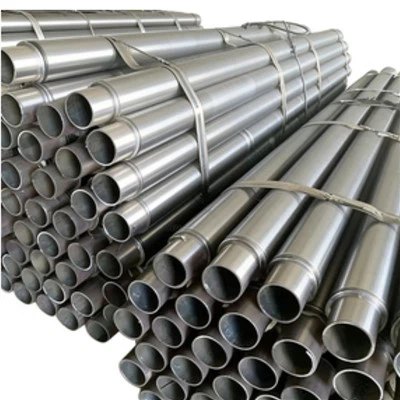
What is Fin Height?
First off, the fin height is the distance from the base of the fin to its tip on a high – frequency welded fin stainless steel tube. You can think of it as how tall the fins are that stick out from the surface of the tube. These fins play a crucial role in the performance of the tube.
Why Does Fin Height Matter?
The fin height has a big impact on the heat transfer efficiency of the tube. When the fin height is increased, the surface area of the tube available for heat transfer also goes up. This means that more heat can be transferred between the fluid inside the tube and the surrounding environment. For example, in a heat exchanger, a tube with taller fins can transfer heat more effectively, which is super important in industrial applications where efficient heat transfer can save a lot of energy and money.
But it’s not all about increasing the fin height. There’s a balance to be struck. If the fin height is too large, it can lead to some problems. The fins might become more prone to bending or deforming, especially if they’re made of a relatively thin material. Also, very tall fins can create a larger pressure drop in the fluid flowing around the tube. This means that the fluid will need more energy to flow through the system, which can increase operating costs.
Factors Affecting Fin Height
There are several factors that come into play when determining the appropriate fin height for a high – frequency welded fin stainless steel tube.
Application Requirements
The type of application is a major factor. For instance, in a refrigeration system, you might need a different fin height compared to a power plant’s cooling system. In a refrigeration system, where the temperatures are relatively low, a smaller fin height might be sufficient to achieve the required heat transfer. On the other hand, in a power plant, where large amounts of heat need to be dissipated quickly, a taller fin height could be more appropriate.
Material Properties
The material of the fin also affects the fin height. Stainless steel is a popular choice for these tubes because of its corrosion resistance and good thermal conductivity. However, different grades of stainless steel have different mechanical properties. A grade with higher strength can support taller fins without deforming easily. So, when choosing the fin height, we need to consider the specific grade of stainless steel being used.
Manufacturing Constraints
Our manufacturing process also puts some limits on the fin height. High – frequency welding is a precise process, and there are practical limits to how tall we can make the fins. If the fins are too tall, it becomes more difficult to ensure a strong and consistent weld between the fin and the tube. This can lead to issues with the integrity of the tube and reduce its overall performance.
How to Choose the Right Fin Height
As a supplier, I always work closely with my customers to help them choose the right fin height for their specific needs. Here’s a step – by – step approach that I usually follow:
Understand the Application
I start by having a detailed conversation with the customer to understand what the tube will be used for. I ask about the operating temperatures, the flow rates of the fluids, and the overall performance requirements. This helps me get a clear picture of what the customer needs.
Analyze the Heat Transfer Requirements
Based on the application, I use some engineering calculations to determine the heat transfer requirements. This involves looking at factors such as the heat load, the thermal conductivity of the materials, and the desired heat transfer coefficient. By doing these calculations, I can get an idea of how much surface area is needed to achieve the required heat transfer, which in turn helps me determine the appropriate fin height.
Consider the Material and Manufacturing
I also take into account the material properties and the manufacturing constraints. I make sure that the fin height we choose is feasible to manufacture using our high – frequency welding process and that the material can support it without any issues.
Common Fin Heights
In my experience, common fin heights for high – frequency welded fin stainless steel tubes range from a few millimeters to several centimeters. For small – scale applications like domestic air conditioners, fin heights might be around 3 – 5 mm. For larger industrial applications such as power plants or chemical processing plants, fin heights can be 10 – 20 mm or even more.
Real – World Examples
Let me share a couple of real – world examples to illustrate the importance of fin height.
A Cooling System in a Chemical Plant
In a chemical plant, there was a need to cool down a hot fluid. The initial design used tubes with relatively short fins. The heat transfer was not efficient enough, and the system was consuming a lot of energy. After analyzing the situation, we recommended increasing the fin height. By doing so, the surface area for heat transfer increased significantly, and the system was able to cool the fluid more effectively. This led to a reduction in energy consumption and improved overall efficiency.
A Refrigeration Unit in a Food Warehouse
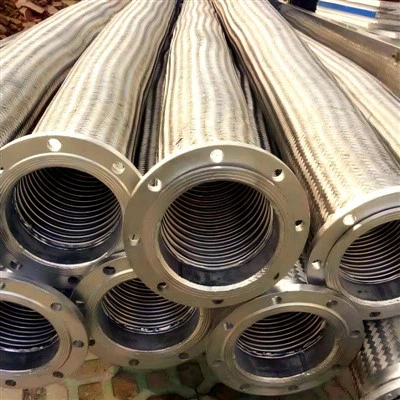
In a food warehouse, the refrigeration unit was not maintaining the desired temperature. The tubes in the heat exchanger had fins that were too tall, which was causing a large pressure drop in the refrigerant. We recommended reducing the fin height. This not only reduced the pressure drop but also improved the heat transfer efficiency, resulting in better temperature control and lower operating costs.
Conclusion
Special-shaped Condenser Tube So, in a nutshell, the fin height of high – frequency welded fin stainless steel tubes is a critical factor that can have a significant impact on the performance and efficiency of a system. As a supplier, I’m always here to help my customers choose the right fin height for their specific applications. If you’re in the market for high – frequency welded fin stainless steel tubes and need help with determining the fin height or have any other questions, don’t hesitate to reach out. We can have a chat and figure out the best solution for you.
References
- Incropera, F. P., & DeWitt, D. P. (2002). Fundamentals of Heat and Mass Transfer. Wiley.
- Holman, J. P. (2009). Heat Transfer. McGraw – Hill.
China Super Tech Co., Ltd.
As one of the most professional high-frequency welded fin stainless steel tube manufacturers and suppliers in China, we’re featured by quality products and good service. Please rest assured to wholesale OEM high-frequency welded fin stainless steel tube from our factory. Also, custom service is available.
Address: No.A1, Room 707, South Zone, 6th Floor, 122nd Floor, Nanhu East Park, Chaoyang District, Beijing, China
E-mail: sales@316liquidcooling.com
WebSite: https://www.316liquidcooling.com/
