Hey there! I’m a supplier of secondary air filters, and today I wanna chat about a super important question: Are secondary air filters resistant to moisture? Secondary Air Filters
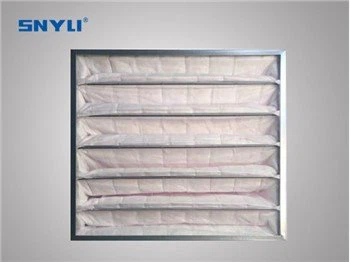
First off, let’s understand what secondary air filters are. These filters play a crucial role in air – handling systems. They are usually the second line of defense after the primary filters. Their job is to catch smaller particles that the primary filters might have missed, making sure the air that goes through the system is as clean as possible.
Now, moisture is a big deal when it comes to air filters. You see, in many environments, air can carry a fair amount of water vapor. For example, in humid climates like the tropics, or in industrial settings where there’s a lot of steam or water spray. When moisture gets into a filter, it can cause all sorts of problems.
One of the main issues is that moisture can make the filter media wet. When the media is wet, it becomes heavier. This extra weight can put stress on the filter structure. If the filter isn’t built to handle this stress, it might start to sag or even break. And once the filter structure is compromised, its ability to trap particles goes down the drain.
Another problem is that moisture can create a breeding ground for mold and bacteria. These microorganisms love damp, dark places, and a wet filter is the perfect home for them. As they grow, they can release harmful substances into the air, which defeats the whole purpose of having a filter in the first place.
So, are our secondary air filters resistant to moisture? Well, the answer is yes, but it depends on a few factors.
We use special filter media that’s designed to be hydrophobic. That means it repels water. The fibers in the media are treated in such a way that water droplets don’t stick to them. Instead, they roll off, just like water on a duck’s back. This helps to keep the filter dry even in a humid environment.
But it’s not just about the media. The construction of the filter also matters. We’ve designed our filters with a strong frame and proper sealing. The frame is made of materials that can withstand the extra weight and stress that might come from moisture. And the seals are tight, preventing water from seeping in through the edges.
In addition to the physical design, we also do a lot of testing. We expose our filters to different levels of humidity and moisture in our labs. We want to make sure that they can perform well under real – world conditions. After all, we don’t want our customers to have any problems with their filters because of moisture.
Let me give you an example of how our moisture – resistant filters have worked in the real world. There was a food processing plant in a coastal area. The air there was really humid, and they were having issues with their old filters. The filters would get wet quickly, and mold would start to grow on them. This was not only affecting the air quality in the plant but also causing problems with their production equipment.
They switched to our secondary air filters, and the difference was amazing. The filters stayed dry, and there was no more mold growth. The air quality in the plant improved significantly, and their production equipment also ran more smoothly.
However, it’s important to note that while our filters are moisture – resistant, they’re not completely waterproof. If they’re submerged in water or exposed to a continuous high – pressure water spray, they might not hold up. But in normal operating conditions, where there’s just humidity in the air or occasional water splashes, they work great.
Now, you might be wondering how to take care of these moisture – resistant filters. Well, it’s pretty simple. Regular maintenance is key. You should check the filters periodically to make sure they’re clean and in good condition. If you notice any signs of damage or excessive moisture, it’s a good idea to replace the filter.
Another thing to keep in mind is that the performance of the filter can also be affected by the overall air – handling system. Make sure that the system is properly designed and installed. Good ventilation and proper air flow can help to reduce the amount of moisture that the filter is exposed to.
If you’re in the market for secondary air filters and you’re worried about moisture, we’ve got you covered. Our filters are designed to handle the challenges of a humid environment. Whether you’re in a commercial building, an industrial facility, or a residential setting, our filters can provide you with clean, dry air.
We’re always happy to talk to potential customers. If you have any questions about our secondary air filters, or if you want to discuss your specific needs, don’t hesitate to reach out. We can provide you with more information, samples, and even help you with the installation process.

So, if you’re looking for high – quality, moisture – resistant secondary air filters, give us a shout. We’re here to make sure that your air – handling system runs smoothly and that you get the clean air you deserve.
High Temperature Resistant Primary References:
- "Air Filtration Handbook" – A comprehensive guide on air filters and their performance.
- "Moisture Effects on Air Filter Media" – Research paper on how moisture impacts the efficiency of air filters.
Snyli Environmental Technology (Shandong) Co., Ltd.
Snyli Environmental Technology (Shandong) Co., Ltd. is well-known as one of the leading secondary air filters manufacturers and suppliers in China. Please feel free to wholesale high quality secondary air filters at competitive price from our factory. Contact us for more details.
Address: Room 907, Building 1, Qisheng Plaza, 1666 Xinluo Street, Jinan Area, China (Shandong) Pilot Free Trade Zone
E-mail: info@snyli.com
WebSite: https://www.snylifilter.com/
