Hey there! As a supplier of Chlorobutyl Rubber, I often get asked about the curing agents used for this super – useful material. So, I thought I’d write this blog to share some insights on that topic. Chlorobutyl Rubber
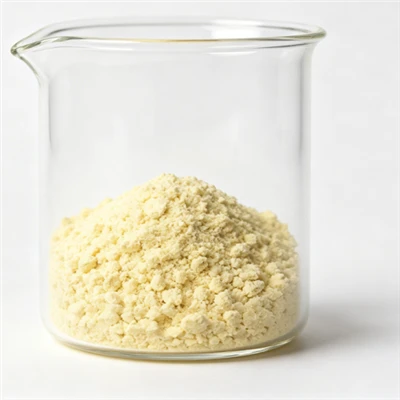
First off, let’s understand a bit about Chlorobutyl Rubber. It’s a synthetic rubber made by chlorinating butyl rubber. It’s got some great properties, like good air impermeability, excellent aging resistance, and chemical stability. That’s why it’s widely used in a bunch of industries, such as the automotive, construction, and medical fields.
Now, let’s talk about the curing agents. Curing is a crucial process that turns the raw rubber into a more durable and useful product by creating cross – links between the rubber molecules.
One of the most commonly used curing agents for Chlorobutyl Rubber is zinc oxide (ZnO). Zinc oxide is like a staple in the rubber – curing world. It’s relatively inexpensive and easy to handle. When ZnO reacts with the chlorine atoms in Chlorobutyl Rubber, it forms zinc chloride complexes. These complexes then react with the rubber molecules to create cross – links. The great thing about using ZnO is that it gives the rubber good mechanical properties, like high tensile strength and tear resistance. It also helps in improving the heat resistance of the cured rubber. However, the curing process with ZnO alone can be a bit slow, so it’s often used in combination with other accelerators.
Another important type of curing agent is sulfur. Sulfur has been used for ages in the rubber – curing industry. When sulfur is added to Chlorobutyl Rubber, it forms sulfur bridges between the rubber molecules during the curing process. This results in a more elastic and flexible cured product. But using sulfur has its challenges. The curing rate can be hard to control, and there’s a risk of sulfur blooming, which is when sulfur migrates to the surface of the rubber over time, leaving a white powdery residue. To overcome these issues, we often use sulfur in combination with other chemicals, such as accelerators and activators.
Accelerators are chemicals that speed up the curing process. For Chlorobutyl Rubber, some common accelerators include thiurams, dithiocarbamates, and guanidines. Thiurams, for example, are very effective in accelerating the sulfur – based curing process. They react with sulfur to form active sulfurating agents, which then react with the rubber molecules more quickly. Dithiocarbamates work in a similar way, but they’re also known for improving the aging properties of the cured rubber. Guanidines are another group of accelerators. They can be used alone or in combination with other accelerators to optimize the curing speed and the properties of the final product.
Activators are also used in the curing process. Stearic acid is a well – known activator. It helps in the dispersion of other ingredients in the rubber compound and also activates the accelerator – sulfur reaction. When stearic acid is used along with zinc oxide, it forms a zinc stearate complex, which enhances the reactivity of the accelerator and sulfur, leading to a faster and more efficient curing process.
In addition to the traditional curing agents, there are also some new and advanced options available. For example, peroxide – based curing systems are becoming more popular. Peroxides work differently from sulfur and zinc oxide. They generate free radicals when heated, which then react with the rubber molecules to form cross – links. The advantage of peroxide – based curing is that it can give the rubber better heat resistance, electrical insulating properties, and resistance to chemicals. However, it’s more expensive than traditional curing agents, and the processing conditions need to be carefully controlled.
As a Chlorobutyl Rubber supplier, I’ve seen how different curing agents can affect the final product. It really depends on the specific application of the rubber. For example, if you’re making automotive tires, you might want to use a sulfur – based curing system because it gives the tires good traction and durability. On the other hand, if you’re making medical rubber products, a peroxide – based curing system might be a better choice because of its better chemical resistance and cleanliness.
We at our company have a lot of experience in working with different curing agents and Chlorobutyl Rubber. We can help you choose the right curing agent based on your specific requirements. Whether you need a high – performance rubber for a demanding application or a cost – effective solution for a large – scale production, we’ve got you covered.
If you’re in the market for Chlorobutyl Rubber and want to discuss the right curing agents for your project, don’t hesitate to reach out. We’re here to provide you with all the information and support you need. Just drop us a message, and we’ll get in touch with you as soon as possible to start the conversation.
Thiurams References:
- "The Science and Technology of Rubber" by James E. Mark, Burleigh W. Carroll, Charles W. Culbertson, and Tobin J. Marks
- "Rubber Technology Handbook" by Werner Hofmann
Heze Great Bridge Chemical Co., Ltd.
With abundant experience, we are one of the most professional chlorobutyl rubber manufacturers and suppliers in China. We warmly welcome you to buy high quality chlorobutyl rubber in stock here and get pricelist from our factory. Good service and reasonable price are available.
Address: No.1679 Renmin Road,Heze City,Shandong,China
E-mail: export@greatbridge-chem.com
WebSite: https://www.greatbridgechem.com/
