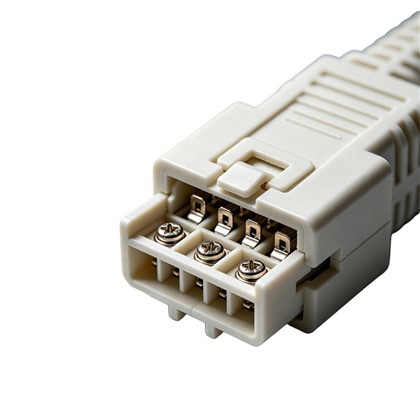
As a seasoned professional in the automotive connector industry and a representative of an automotive connector supplier, I understand the significance of choosing the right automotive connector. In this blog, I’ll share some key factors to consider when making this crucial decision, drawing from my years of experience and in – depth knowledge of the market. Automotive Connector
Electrical Requirements
The electrical performance of an automotive connector is of utmost importance. First and foremost, you need to consider the voltage and current ratings. Different automotive applications have different power requirements. For example, a high – power electrical system in a modern electric vehicle may require connectors that can handle high – voltage and high – current loads. In contrast, a simple interior lighting circuit will need connectors with much lower ratings.
Resistance is another critical electrical parameter. Low – resistance connectors are essential to minimize power loss and heat generation. High resistance can lead to overheating, which not only reduces the efficiency of the electrical system but also poses a safety risk. When selecting a connector, look for those with high – quality conductive materials and proper plating to ensure low resistance.
Signal integrity is also a major concern, especially in automotive electronics that rely on data transmission. Connectors used in sensor systems, infotainment systems, and communication modules must be able to maintain accurate signal transmission. They should have good electromagnetic compatibility (EMC) to prevent interference from external electromagnetic fields. This requires careful design and the use of shielding materials in the connector construction.
Mechanical Requirements
The mechanical properties of automotive connectors are equally vital as they determine the connector’s durability and reliability in harsh automotive environments. Vibration resistance is a key factor. Vehicles are constantly subjected to vibrations during operation, and connectors need to withstand these vibrations without losing their connection. A well – designed connector will have a secure locking mechanism that keeps the contacts firmly engaged even under extreme vibration conditions.
Shock resistance is also necessary. Sudden impacts, such as those experienced during rough driving or in the event of a collision, can damage connectors if they are not robust enough. Connectors should be able to endure high – intensity shocks without breaking or causing a short – circuit.
In addition to vibration and shock resistance, the mating and unmating cycles of the connector are important. Automotive connectors may need to be mated and unmated multiple times during vehicle assembly, maintenance, and repair. A connector with a high mating cycle rating ensures long – term usability and reduces the risk of contact wear and failure over time.
Environmental Requirements
Automotive connectors operate in a wide range of environmental conditions. Temperature is a significant factor. They need to function properly in both extremely cold and hot environments. In cold climates, connectors must remain flexible and prevent brittleness, while in hot conditions, they should not deform or lose their electrical properties.
Moisture and water resistance are critical, especially for connectors located in areas prone to water exposure, such as the engine compartment or near the wheels. A waterproof or splash – proof connector can prevent corrosion and short – circuits caused by water ingress. Many connectors are designed with gaskets or seals to provide protection against moisture.
Chemical resistance is also required as automotive connectors may come into contact with various chemicals, including oil, gasoline, and cleaning agents. Connectors made from materials that can resist chemical corrosion will have a longer service life and maintain their performance over time.
Compatibility and Standardization
Compatibility is essential when choosing automotive connectors. Connectors must be compatible with the mating components in the vehicle’s electrical system, including cables, circuit boards, and other connectors. Ensuring proper mating and electrical connection is crucial for the overall functionality of the system.
Standardization is another important aspect. There are many international and industry – specific standards for automotive connectors, such as ISO and SAE standards. Using standardized connectors offers several advantages. Firstly, it simplifies the design and manufacturing process as many suppliers produce connectors that comply with these standards. Secondly, it ensures interoperability between different components and makes it easier to source replacement parts.
Cost – effectiveness
Cost is always a consideration in the automotive industry. While it’s important to choose a high – quality connector that meets all the necessary requirements, you also need to balance cost and performance. Cheaper connectors may not offer the same level of reliability and durability, which can lead to higher maintenance and replacement costs in the long run.
As a supplier, we offer a range of automotive connectors at different price points. Our goal is to provide cost – effective solutions without compromising on quality. We work closely with our customers to understand their specific needs and budget constraints and then recommend the most suitable connectors.
Supplier Reputation
The reputation of the connector supplier is an often – overlooked but crucial factor. A reliable supplier will have a track record of delivering high – quality products on time. They should also provide excellent customer service, including technical support and after – sales service.
When choosing a supplier, look for those with a long – standing presence in the market, positive customer reviews, and a commitment to innovation. Our company, with years of experience in the automotive connector industry, has built a solid reputation for providing top – notch products and services. We are constantly investing in research and development to improve our products and keep up with the latest technological trends in the automotive industry.
Conclusion
Choosing the right automotive connector is a multi – faceted decision that involves considering a variety of factors, including electrical, mechanical, environmental, compatibility, cost – effectiveness, and supplier reputation. By carefully evaluating these aspects, you can select connectors that will ensure the reliable and efficient operation of your automotive electrical system.
Industrial Connectors If you are in the process of looking for automotive connectors for your project or are interested in exploring new connector solutions, we are here to help. Our team of experts can provide in – depth technical advice and tailor – made solutions to meet your specific requirements. We encourage you to reach out to us for a consultation and to discuss your procurement needs.
References
- Jeffers, R. "Automotive Electrical Systems Handbook." Automotive Press, 2018.
- SAE International Standards Manual. SAE International, 2020.
- ISO Automotive Connectors Standards. International Organization for Standardization, 2021.
Modelon Precision Industry (Suzhou) Co., Ltd.
With abundant experience, we are one of the most professional automotive connector manufacturers and suppliers in China. Welcome to buy customized automotive connector at competitive price from our factory. If you have any enquiry about pricelist, please feel free to email us.
Address: 1st Floor, Building 22, No. 2628 North Gate Road, Kunshan City, Jiangsu Province, P.R.China
E-mail: jessica_huang2025@163.com
WebSite: https://www.modeloncn.com/
