Hey there! As a supplier of plate condensers in the refrigeration game, I’ve seen firsthand how the compressor capacity can have a huge impact on the performance of our plate condensers. Let’s dive into this topic and see how all these pieces fit together in a refrigeration system. Plate Condenser
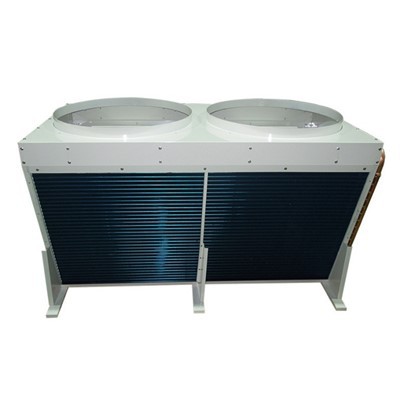
First off, let’s talk a bit about what compressor capacity means. The compressor is like the heart of a refrigeration system. It’s responsible for compressing the refrigerant gas, raising its pressure and temperature. The compressor capacity is basically how much refrigerant it can handle and compress within a given time. It’s usually measured in tons of refrigeration or in cubic meters per hour.
Now, when it comes to the plate condenser, it’s a crucial component that works hand – in – hand with the compressor. The condenser’s job is to take the high – pressure, high – temperature refrigerant gas coming from the compressor and turn it back into a liquid by removing heat. Plate condensers are great because they have a large surface area for heat transfer in a compact design.
If you’ve got a compressor with a low capacity, here’s what’s going to happen to the plate condenser. The low – capacity compressor won’t be able to push a lot of refrigerant through the system. As a result, the amount of hot refrigerant gas reaching the condenser is less. This means that the condenser isn’t really being utilized to its full potential. It has a lot of surface area available for heat transfer, but there’s not enough hot gas flowing over it. So, the heat transfer rate is low. The condenser may actually seem to be operating below its normal capacity, and it won’t be removing heat as efficiently as it could.
Let me give you an example to make it clearer. Imagine you’ve got a small compressor that’s only pushing a trickle of refrigerant gas into the condenser. The refrigerant gas spreads out over the large surface of the plate condenser, but it doesn’t transfer a whole lot of heat. The result is that the refrigerant may not fully condense back into a liquid, and it’ll still have some vapor content when it leaves the condenser. This can cause problems downstream in the refrigeration system, like reduced cooling efficiency and higher energy consumption.
On the flip side, if you have a compressor with a high capacity, it will send a large amount of high – pressure, high – temperature refrigerant gas to the plate condenser. At first glance, you might think that this is great for the condenser, but it can actually create some challenges. The condenser has to work extra hard to remove all the heat from this large volume of refrigerant. If the condenser isn’t sized properly to handle the high – capacity compressor, it can get overwhelmed.
The condenser might not be able to remove heat fast enough, which means the refrigerant won’t fully condense. The refrigerant will still be too hot and have a high vapor content when it leaves the condenser. This can lead to increased pressure in the system, which puts more stress on the compressor and other components. Over time, this can cause premature wear and tear on the equipment, and it can even lead to system breakdowns.
So, finding the right balance between the compressor capacity and the plate condenser’s capacity is crucial. When the compressor and condenser are properly matched, the condenser can operate at its optimal heat transfer rate. The high – temperature refrigerant gas comes into the condenser, and the condenser quickly removes the heat, turning the gas into a liquid. The system runs smoothly, and the cooling efficiency is at its best.
Now, let’s talk about how this affects the overall performance of the refrigeration system. In a well – balanced system with a properly matched compressor and plate condenser, the energy consumption is lower. Since the condenser is working efficiently, it doesn’t need to use as much energy to remove heat. This means lower operating costs for the end – user.
The cooling capacity of the system is also improved. When the refrigerant is properly condensed in the condenser, it can absorb more heat in the evaporator, which is where the actual cooling takes place. This results in better temperature control and faster cooling times.
Another aspect to consider is the lifespan of the equipment. When the compressor and condenser are working in harmony, there’s less stress on the components. This means less wear and tear, and the equipment is likely to last longer. You won’t have to replace parts as often, and the overall maintenance costs will be lower.
As a plate condenser supplier, I often get asked about how to choose the right condenser for a given compressor. Well, the first step is to know the compressor capacity. You need to look at the specifications of the compressor and understand how much refrigerant it can move. Then, you can choose a plate condenser that has a capacity that can handle the amount of heat that the refrigerant will carry.
We usually do some calculations based on factors like the refrigerant type, the operating temperatures of the system, and the required cooling capacity. For example, if you’re using a refrigerant with a high heat transfer coefficient, you may be able to get away with a slightly smaller condenser for a given compressor capacity.
It’s also important to consider the future expansion of the system. If there’s a possibility that you’ll need to increase the cooling capacity in the future, you might want to choose a slightly larger condenser than what’s currently required. This gives you some room to grow without having to replace the condenser later on.
In addition to choosing the right size, the quality of the plate condenser also matters. A high – quality condenser will have better heat transfer performance and will be more durable. At our company, we use high – grade materials and advanced manufacturing techniques to ensure that our plate condensers are top – notch.
So, if you’re in the market for a plate condenser for your refrigeration system, it’s crucial to take the compressor capacity into account. A well – matched compressor and condenser can make a huge difference in the performance, energy efficiency, and lifespan of your refrigeration system.
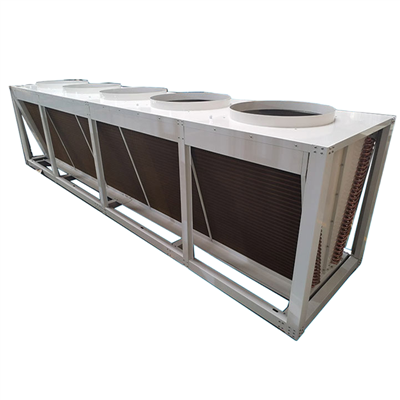
If you’re interested in learning more about our plate condensers or need help in choosing the right one for your compressor, don’t hesitate to reach out. We’re here to assist you in making the best decision for your refrigeration needs. Just start a conversation with us, and we’ll work together to find the perfect solution.
Evaporator References:
- "Fundamentals of Refrigeration" by Peter D. Kuenzi and James D. McGaughey
- "Heat Transfer Handbook" by Rohsenow, Hartnett, and Cho
- Industry – specific technical manuals from compressor and condenser manufacturers
Xiangshui Derkang Refrigeration Equipment Co., Ltd.
Address: No. 2, Xiaojian Town Entrepreneurship Park, Xiangshui County
E-mail: 505745223@qq.com
WebSite: https://www.xsderk.com/
