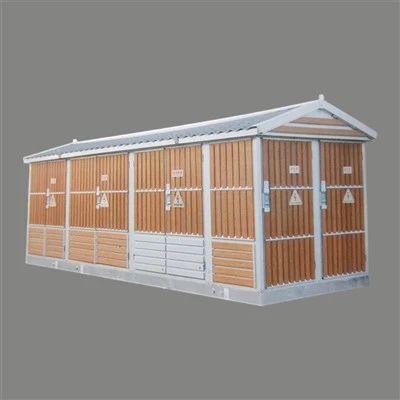
As a seasoned switchgear supplier, I’ve witnessed firsthand the critical role that the right materials play in the construction of high – quality switchgear. Switchgear is an essential component in electrical power systems, responsible for controlling, protecting, and isolating electrical equipment. The choice of materials can significantly impact its performance, reliability, and longevity. In this blog, I’ll delve into the various materials used in switchgear construction, discussing their properties, advantages, and applications. Switchgear
Conductive Materials
One of the most crucial aspects of switchgear construction is the selection of conductive materials. These materials are responsible for carrying electrical current within the switchgear, and their conductivity directly affects the efficiency and performance of the system.
Copper
Copper is the most commonly used conductive material in switchgear construction. It has excellent electrical conductivity, high thermal conductivity, and good corrosion resistance. These properties make it ideal for use in busbars, contacts, and other components that require efficient current flow.
The high electrical conductivity of copper ensures that there is minimal power loss during the transmission of electricity. This not only improves the overall efficiency of the switchgear but also reduces energy consumption and operating costs. Additionally, its high thermal conductivity allows for effective heat dissipation, preventing overheating and extending the lifespan of the components.
Copper’s corrosion resistance is another significant advantage. It can withstand harsh environmental conditions, such as high humidity and exposure to chemicals, without significant degradation. This makes it suitable for use in a wide range of applications, from industrial plants to outdoor substations.
Aluminum
Aluminum is another conductive material that is used in switchgear construction, particularly in applications where weight and cost are significant factors. Aluminum has about 60% of the electrical conductivity of copper but is much lighter and less expensive.
In some cases, aluminum busbars are used in large – scale switchgear installations to reduce the weight of the system. This can be beneficial in applications where transportation and installation are challenging, such as offshore platforms and high – rise buildings. However, aluminum requires special consideration in terms of its connection to other components. It has a higher coefficient of thermal expansion than copper, which means that proper joint design and maintenance are necessary to prevent loosening and overheating at the connections.
Insulating Materials
Insulating materials are used in switchgear to prevent the flow of electrical current between conductive parts and to protect personnel from electrical shock. They must have high electrical resistance, good mechanical strength, and excellent thermal stability.
Ceramics
Ceramics have long been used as insulating materials in switchgear. They offer high dielectric strength, which means they can withstand high voltages without breaking down. Ceramics also have good chemical resistance and can operate at high temperatures, making them suitable for use in high – power switchgear applications.
One of the main advantages of ceramics is their ability to maintain their insulating properties over a wide range of temperatures. This makes them ideal for use in environments where temperature fluctuations are common, such as industrial furnaces and power generation plants. However, ceramics are brittle and can be difficult to machine, which can limit their design flexibility.
Epoxy Resins
Epoxy resins are widely used as insulating materials in modern switchgear. They are easy to mold into complex shapes, which allows for the design of compact and efficient switchgear components. Epoxy resins have good electrical insulation properties, high mechanical strength, and excellent adhesion to other materials.
These resins can be formulated to have specific properties, such as high temperature resistance or flame retardancy. They are commonly used in the encapsulation of components, such as circuit breakers and transformers, to provide electrical insulation and protection against environmental factors, such as moisture and dust.
Polycarbonates
Polycarbonates are another type of insulating material used in switchgear. They are known for their high impact resistance, transparency, and good electrical insulation properties. Polycarbonates are often used in the construction of switchgear enclosures, where they provide physical protection for the internal components while allowing for visual inspection.
The transparency of polycarbonates is particularly useful in applications where monitoring of the switchgear’s internal state is required. For example, in some control panels, polycarbonate windows are used to allow operators to observe the status of indicators and meters without opening the enclosure.
Structural Materials
Structural materials are used to provide the framework and support for the switchgear components. They must have sufficient strength, stiffness, and durability to withstand the mechanical stresses and environmental conditions encountered during operation.
Steel
Steel is one of the most widely used structural materials in switchgear construction. It has high strength, good weldability, and can be easily formed into various shapes. Steel enclosures are commonly used to protect the internal components of the switchgear from mechanical damage, dust, and moisture.
Galvanized steel is often used to enhance corrosion resistance, especially in outdoor or harsh industrial environments. The galvanization process involves coating the steel with a layer of zinc, which acts as a sacrificial anode, protecting the underlying steel from corrosion.
Aluminum Alloys
Aluminum alloys are also used as structural materials in switchgear, particularly in applications where weight reduction is a priority. They have a high strength – to – weight ratio, which means they can provide sufficient structural support while being lighter than steel.
Aluminum alloys are corrosion – resistant, which makes them suitable for use in outdoor and marine environments. They are also easy to machine and can be anodized to further enhance their surface properties, such as hardness and corrosion resistance.
Contact Materials
Contact materials are critical in switchgear as they are responsible for making and breaking electrical circuits. They must have low contact resistance, good arc – extinguishing properties, and high resistance to erosion and welding.
Silver – Based Alloys
Silver is an excellent conductor and has low contact resistance, making it a popular choice for contact materials. Silver – based alloys, such as silver – cadmium oxide (AgCdO) and silver – tin oxide (AgSnO), are commonly used in switchgear contacts.
These alloys combine the high conductivity of silver with the ability to withstand arcing and erosion. The addition of metal oxides helps to improve the arc – extinguishing properties and reduce the tendency of the contacts to weld together during operation. However, the use of cadmium in some alloys is being phased out due to environmental concerns, leading to an increased focus on cadmium – free alternatives, such as AgSnO.
Tungsten – Copper Alloys
Tungsten – copper alloys are used in high – current applications where high thermal conductivity and resistance to erosion are required. Tungsten provides high hardness and resistance to wear, while copper provides good electrical and thermal conductivity.
These alloys are often used in the contacts of high – power circuit breakers and switches. They can withstand the high temperatures and mechanical stresses generated during the interruption of large currents, ensuring reliable and long – term operation.
In conclusion, the selection of materials in switchgear construction is a complex and critical process. Each material brings unique properties and advantages to the table, and the right combination of materials is essential to ensure the performance, reliability, and safety of the switchgear. As a switchgear supplier, we are constantly researching and evaluating new materials to improve the quality and efficiency of our products.
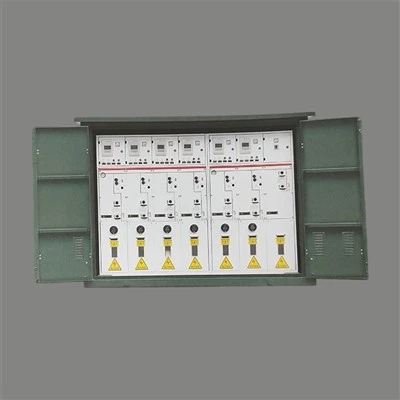
If you are in the market for high – quality switchgear and want to discuss your specific requirements, we would be more than happy to engage in a productive conversation. Our team of experts can provide detailed information and solutions tailored to your needs. Reach out to us to start the procurement process and ensure that you get the best switchgear for your electrical systems.
Electrical Distribution Equipment References
- International Electrotechnical Commission (IEC) standards on switchgear.
- IEEE standards for electrical equipment including switchgear.
- Technical literature from leading materials manufacturers for electrical applications.
Shijiazhuang Nuo’an Electric Power Equipment Co., Ltd.
As one of the most professional switchgear manufacturers and suppliers in China, we’re featured by quality products and good price. Please rest assured to buy advanced switchgear made in China here and get pricelist from our factory. Customized orders are welcome.
Address: NW Corner, Heping Rd & Xingsingsi St, North Baifo Village, Chang’an Dist, Shijiazhuang, Hebei, China
E-mail: nuoandianli3@163.com
WebSite: https://www.nuoanpower.com/
