A few months ago, I sat across from a long-time client at a skincare trade show, twisting a glass vial of our bestselling rosehip facial oil between my fingers. “I love how your products make my skin feel,” she said, “but I need to know—do they actually do anything for sun protection? I’m tired of layering six different products before heading out.” That question isn’t new to me; as someone who’s spent a decade formulating and selling facial oils, it’s one I hear at almost every demo, from estheticians at high-end spas to everyday people flipping through social media skincare reels. Facial Oils
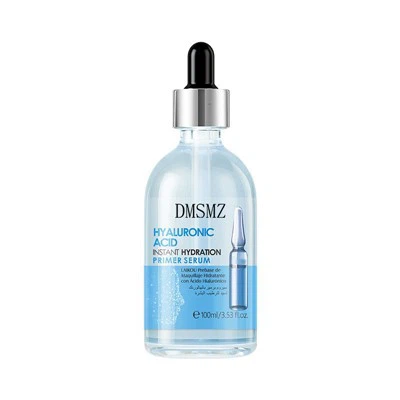
The short answer I usually give is: no, facial oils cannot replace sunscreen. But that’s the kind of half-truth that leaves people confused, because there’s a lot more nuance here. For years, facial oils were written off as a “luxury” add-on for dry skin, nothing more than a moisturizer to soothe winter flakiness. Today, they’re a multi-billion dollar category, with claims ranging from anti-aging to acne-clearing, and the question of UV protection has become one of the most debated points in skincare right now. As a facial oil supplier who’s spent years testing every ingredient on our shelves, I want to break down what the science actually says, what our products can do, and how to use facial oils safely in your daily routine.
Let’s start with the basics: what makes a product actually block UV rays? Broad-spectrum sunscreen is regulated (in the U.S. by the FDA, globally by the EU and other bodies) to meet strict standards. To be labeled broad-spectrum, a product must protect against both UVA and UVB rays. UVA rays are the ones that penetrate deep into the skin, cause long-term aging—think fine lines, sagging, and hyperpigmentation—and even contribute to skin cancer. UVB rays are the ones that cause sunburn, the immediate, damaging effect of overexposure.
Effective sunscreens work in two ways: chemical sunscreens absorb UV radiation, converting it into heat that’s released from the skin, while mineral sunscreens (like zinc oxide and titanium dioxide) sit on top of the skin, physically reflecting and scattering UV rays. For a product to be considered a valid sunscreen, it has to meet specific SPF (Sun Protection Factor) requirements. SPF 15 blocks roughly 93% of UVB rays, SPF 30 blocks 97%, and SPF 50 blocks about 98%. To earn an SPF rating, a product has to undergo rigorous testing in clinical settings, applying a standard amount (2 mg per cm² of skin, which is about a nickel-sized dollop for the face) and measuring how much UV radiation reaches the skin underneath.
Now, where do facial oils fit in? Most facial oils on the market don’t have any UV-blocking ingredients, and our products are no exception. Our line of facial oils—crafted with cold-pressed rosehip seed, argan, jojoba, and squalane—are formulated primarily with carrier oils, plant-derived fatty acids, antioxidants, and vitamins. None of these ingredients are classified as UV filters, and none have been tested to meet the FDA or global standards for broad-spectrum sunscreen. That means if you skip your SPF and slather on facial oil, you will still get sunburned, and you will still be exposed to the long-term damage of UVA rays.
But here’s the part that gets overlooked: some facial oils do have partial UV-protective properties, even if they’re not full sunscreens. This is where the confusion comes in, because small, often unregulated studies have found that certain plant oils absorb or reflect small amounts of UV radiation, though not nearly enough to count as a replacement for dedicated SPF. For example, a 2015 study in the International Journal of Cosmetic Science tested the SPF of 28 common plant oils, including argan, coconut, and rosehip seed oil. The results? The highest SPF recorded was 8, from raspberry seed oil—meaning it blocked a paltry 87% of UVB rays, and almost no UVA rays. That’s not enough to rely on, especially for people with fair skin, who are more prone to sun damage.
Other oils, like jojoba, have an SPF of 4, while olive oil clocked in at just SPF 2. For comparison, a basic drugstore sunscreen is SPF 15 or higher, so even the highest natural facial oil SPF is less than a third of that. It’s important to note that even these partial SPF numbers are often from lab tests of pure oil, not the diluted, often mixed formulas used in commercial facial oils. When an oil is blended with other ingredients (like essential oils or scent additives), its UV-protective properties can drop even further.
Then there’s the antioxidant angle, which is where facial oils do play a role in sun care. UV rays don’t just cause sunburn; they trigger free radicals in the skin, unstable molecules that damage collagen and elastin, leading to signs of aging. Many facial oils are rich in antioxidants that help neutralize these free radicals. Rosehip oil, for example, is high in vitamin C and lycopene, which have been shown to reduce oxidative stress from UV exposure. Argan oil is packed with vitamin E and ferulic acid, two antioxidants that calm inflammation from sun damage.
This is a key point I make to every customer: facial oils can’t replace sunscreen, but they can complement it. If you’re already wearing a broad-spectrum SPF daily, adding a facial oil packed with antioxidants can help reduce some of the long-term cellular damage that even sunscreen can’t block 100% of. For example, the antioxidants in our facial oils work alongside sunscreen to neutralize free radicals that get past the sunscreen layer, making your sun care routine more effective overall.
There’s also the myth I hear all the time that “facial oils clog pores and cause breakouts, so I can’t wear them with sunscreen.” That’s why we formulate our facial oils to be non-comedogenic, meaning they won’t clog pores, which makes them perfect for layering under SPF. Many of our customers with acne-prone or oily skin tell us that they used to skip facial oils because they feared breakouts, but now they layer a thin layer of our jojoba oil (which mimics the skin’s natural sebum) under their SPF, and their skin feels balanced, not greasy, all day.
Another common question: what about facial oils that claim to have SPF? I’ve seen dozens of products online marketing “sun-protecting facial oils” with SPF 15 or higher, and let’s be clear—most of these are either lying about their testing, or they’ve added synthetic chemical or mineral UV filters to the formula, which means they are actually a sunscreen, not a facial oil. If a product is labeled as a facial oil but has an SPF, you should check the ingredients list for common UV filters like avobenzone, zinc oxide, or titanium dioxide. That’s not a bad thing, but it’s important to be clear about what you’re buying: you’re buying a sunscreen that has oil added to it, not a facial oil with sun protection.
I also want to address the misconception that natural means better for sun protection. The study I mentioned earlier on plant oil SPF makes that clear—even the highest natural SPF from a pure plant oil is far lower than the minimum SPF recommended by dermatologists, which is 15, with most experts recommending SPF 30 or higher for daily use. Natural doesn’t equal adequate sun protection, and relying on untested plant oils to block UV rays is a risky move that can lead to sunburn, hyperpigmentation, and even long-term skin damage.
As a facial oil supplier, this balance is something we prioritize in everything we do. We don’t market our products as sunscreens, because that would be misleading to our customers. Instead, we educate them on how to integrate facial oils into a comprehensive sun care routine. For example, we often recommend that our customers apply their broad-spectrum sunscreen first, let it absorb for 60 seconds, then apply a thin layer of facial oil to lock in moisture and add antioxidant protection. This works for all skin types: dry skin gets the deep hydration it needs, oily skin gets a non-greasy barrier that doesn’t clog pores, and sensitive skin gets a calming layer that reduces irritation from harsh sunscreens.
I’ve also worked with dermatologists over the years to test our products on skin that’s been exposed to UV rays, and the feedback is consistent: when used alongside proper sunscreen, our facial oils help reduce the visible signs of sun damage over time, like uneven texture and fine lines. They don’t block UV rays, but they support the skin’s ability to repair itself after sun exposure, which is a crucial part of any sun care routine.
There’s a lot of noise in the skincare industry right now, with brands jumping on every trend to sell products. Facial oils are no exception, and the question of UV-blocking abilities has become a marketing hook for brands that want to stand out. As someone who’s been in this industry long enough to see trends come and go, I think it’s important to be transparent with customers. If a facial oil claims to protect against the sun, ask for proof of SPF testing, and check the ingredients list. If a product doesn’t have an SPF, don’t use it as a replacement for sunscreen—use it as the extra layer of care it’s meant to be.
At the end of the day, sun protection is non-negotiable. Even on cloudy days, even if you’re just running errands, UV rays penetrate the atmosphere and cause damage. Facial oils are a wonderful, versatile product that can transform the health and appearance of your skin, but they’re not a replacement for dedicated sun care. They’re a complement, a way to add hydration and antioxidants to your routine while keeping your skin safe.
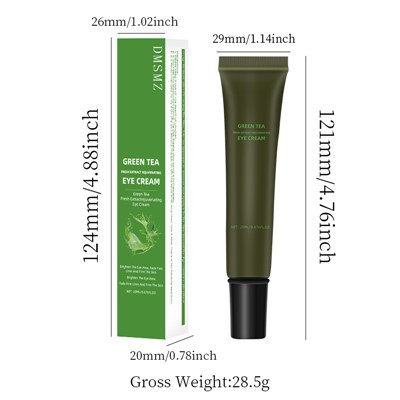
If you’re a skincare professional, esthetician, or business owner looking to integrate high-quality, science-backed facial oils into your product line, we’d love to discuss how our formulations can work for your customers. We prioritize transparency in every product we make, and we’re happy to share testing data, customer feedback, and resources to help you educate your audience on the role of facial oils in sun care and overall skin health. For anyone looking to refine their own routine, remember: sunscreen first, facial oil second, and never skip either.
Facial Skincare References
- International Journal of Cosmetic Science. “In Vitro Evaluation of Sun Protection Factor of Vegetable Oils.” 2015.
- American Academy of Dermatology. “Sunscreen 101: What You Need to Know.” Updated 2024.
- Journal of Cosmetic Dermatology. “Antioxidant Content and Photoprotective Potential of Common Carrier Oils Used in Skincare.” 2021.
- U.S. Food and Drug Administration. “Sunscreen Drug Products for Over-the-Counter Human Use: Final Rule.” 2011.
- Dermatologic Surgery. “Layering Skincare Products: The Evidence-Based Order for Optimal Absorption and Efficacy.” 2020.
Guangdong Daimeishi Biotechnology Co., Ltd.
Address: Room 304, Building 3, Quantum Creation Space, No. 4, Industrial 2nd Road, Jiahewanggang, Baiyun District, Guangzhou
E-mail: 371190615@qq.com
WebSite: https://www.zgdms.com/
