If you’ve ever stood on a production line for pharmaceuticals, cosmetics, food and beverage, or industrial chemicals, you’ve likely seen the large, rigid intermediate bulk containers (IBCs) that hold thousands of liters of liquid, granular, or powdered materials. What you might not have noticed is the small, unassuming cap attached to their top connection: the IBC cap. As someone who’s supplied these components for over a decade, I’ve seen firsthand how a part that looks like a simple plastic or metal disc can make or break a shipment, a production batch, or even worker safety. Let’s break down how IBC caps work, why their design matters, and why partnering with a reliable supplier isn’t just a convenience—it’s a necessity. IBC Cap
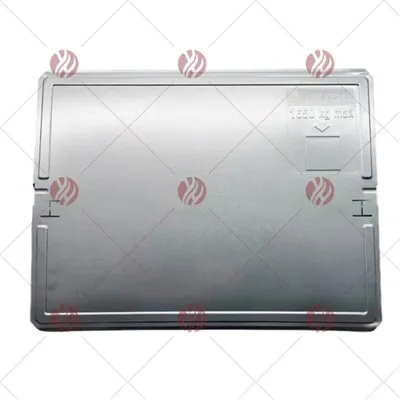
First, let’s set the context of what an IBC cap actually does in the broader IBC system. An IBC isn’t just a plastic tank sitting on a metal pallet; it’s a closed storage and transport unit designed to meet strict global standards (like UN regulations for hazardous materials, FDA guidelines for food-grade products, and ISO quality standards). The top of an IBC features a 150mm or 225mm threaded opening—this is the fill port, where operators add raw materials or bulk products. The IBC cap is the sealing component that attaches to this port, and its core job is twofold: prevent leakage and contamination, while also allowing for safe, intentional pressure release when needed. That balance sounds straightforward, but it’s why we spend so much time testing every cap that leaves our facility.
To understand how it works, let’s start with its basic structure. Most IBC caps are made of three key parts: the main cap body, a threaded insert that matches the IBC’s port, and a sealing gasket. For standard non-hazardous applications, common materials include food-grade HDPE (high-density polyethylene) or PP (polypropylene)—durability, chemical resistance, and low cost make them ideal for everyday use. For hazardous or high-temperature applications, we also offer caps coated in EPDM, or even stainless steel caps for extreme chemical resistance, which is critical when handling acids, solvents, or abrasive powders. The threaded insert is precision-molded to ensure it twists onto the IBC port with a consistent amount of torque—too loose, and it leaks; too tight, and it’s nearly impossible to remove when you need to access the product.
The sealing gasket is the unsung hero of the IBC cap. This flexible rubber or polymer ring sits between the cap body and the IBC’s port, creating an airtight, watertight barrier. When you twist the cap down, the threads draw the two parts together, compressing the gasket slightly to fill any tiny gaps between the cap and the port’s surface. Even for IBCs that look perfectly smooth on the outside, micro-scratches or manufacturing imperfections can create pathways for liquid, dust, or microbes to get in or out— the gasket blocks those pathways. For food and beverage producers, this is non-negotiable; a single contaminated batch of juice, syrup, or dairy ingredients can cost a company millions in recalls and lost trust. For chemical manufacturers, a leaking IBC cap can lead to toxic fumes, workplace hazards, and even environmental damage if spilled.
But the IBC cap’s design isn’t just about keeping things in. It also needs to handle pressure changes, which are inevitable in storage and transport. When an IBC is filled with a warm liquid and then cooled during transport, air inside the tank contracts, creating a vacuum that could pull the cap loose or even crush the IBC. Conversely, if an IBC is stored in direct sunlight, the liquid inside warms, expanding and building pressure that could rupture the tank or blow the cap off with dangerous force. That’s why most IBC caps have a built-in pressure/vacuum relief valve (PVRV). This tiny, spring-loaded valve sits inside the cap, and it’s calibrated to open at a specific pressure threshold—usually around 1.5 psi positive pressure and 0.5 psi vacuum pressure— to equalize the pressure without letting out the product itself.
Let’s break that down with a real example from a customer I worked with last year. A specialty cosmetic manufacturer was shipping plant-based essential oils in 1,000L IBCs to a facility in Southeast Asia. Their old cap supplier didn’t include a calibrated PVRV, and during a cross-ocean voyage, the temperature dropped by 20 degrees Celsius, creating a vacuum that crushed three IBC tanks. The caps had twisted loose, allowing air in, and the tanks caved in under the pressure. After switching to our caps, which have PVRVs calibrated for maritime transport, they haven’t had a single damage incident. That’s the kind of impact a seemingly small component has—our quality control team tests every PVRV during production to make sure it opens at exactly the right pressure, so customers don’t have to worry about guessing.
Another key feature of IBC caps is their compatibility with different types of IBCs and use cases. For open-top IBCs (used for bulk powder), the cap is often a wider, sturdier disc that’s designed to be removed and reattached multiple times, unlike the caps for closed-top IBCs that are sealed once for hazardous materials. We also offer vented and non-vented caps: vented caps are used for non-hazardous products that can handle some air exchange, while non-vented caps are mandatory for highly hazardous materials, where no release of vapor or air is allowed. For food-grade applications, all our caps are tested for leachables, so they won’t transfer any unwanted chemicals to the product inside the IBC—something we verify with third-party labs to meet FDA 21 CFR standards and EU 10/2011 regulations.
I’ve seen a lot of mistakes companies make when choosing IBC caps, and most of them come down to ignoring the details. Some customers go for the cheapest cap they can find, only to discover the gasket isn’t made of chemical-resistant material, and it breaks down after a few uses, leading to leaks. Others skip the pressure relief valve for non-hazardous products, only to have caps blow off during storage in hot warehouses. As a supplier, our job isn’t just to send a cap and a receipt—it’s to help customers match the right cap to their specific product, transport route, and storage conditions. For example, a fertilizer producer we work with needs caps that can handle abrasive granular material, so we supply them with caps with reinforced gaskets that resist wear from repeated filling and emptying. A pharmaceutical client needs caps that meet strict sterility standards for injectable raw materials, so we offer gamma-sterilized caps that arrive ready to use without additional processing.
Testing is the backbone of how we make sure our IBC caps work as intended. We don’t just assemble them and check for loose threads—we run a series of standardized tests every batch: leak testing with water under pressure, chemical resistance testing by submerging caps in common chemicals for 72 hours, torque testing to make sure the cap stays on during transport, and pressure relief testing to confirm the PVRV opens at the correct threshold. For UN-certified caps, we go a step further, testing them to meet the rigorous demands of dangerous goods transport, including drop tests, vibration tests, and temperature cycling that simulates weeks of travel in extreme conditions. That level of testing is why our customers come back to us time and time again, even when they can get cheaper options elsewhere.
Now, let’s talk about common misconceptions about IBC caps. Some people think all caps are interchangeable, but that’s not true. A cap for a 150mm IBC port won’t fit a 225mm port, and a cap designed for plastic IBCs won’t work with metal IBCs. The seal size, thread pitch, and material all have to match exactly. Another misconception is that plastic caps are less durable than metal, but modern high-density polyethylene caps can last for hundreds of uses if chosen correctly—metal caps are better only for extreme chemical or high-temperature applications. We’ve had customers switch from metal to plastic caps for food products, cutting their costs by 30% without any loss in performance, because they matched the cap material to their product’s needs.
So, what does this mean for anyone working with IBCs? Whether you’re a production manager at a food plant, a logistics coordinator shipping hazardous chemicals, or a warehouse manager storing bulk materials, the IBC cap is a critical component that impacts safety, cost, and compliance. A failure here can lead to product loss, regulatory fines, workplace accidents, and damage to your brand. That’s why partnering with a supplier that understands how IBC caps work, and has the testing and quality control to back their products, isn’t just a smart move—it’s a necessary one.

At the end of the day, I’ve been in this industry long enough to know that the best parts are the ones you don’t notice until they go wrong. IBC caps might look simple, but every thread, every gasket, every valve is designed to solve a specific problem. We work with hundreds of customers across sectors, from small craft breweries to large chemical manufacturers, and our goal is to provide them with caps that fit their exact needs, so they can focus on what they do best: making and delivering their products safely.
IBC Plastic Pallet If you’re looking to upgrade your IBC caps, need help selecting the right cap for your product, or have questions about our testing and compliance standards, get in touch to discuss your requirements. Whether you need a small order for a single shipment or bulk caps for your ongoing operations, we’re here to help you find the right solution.
References
- ISO 14422:2019, Plastics packaging — Intermediate bulk containers (IBCs) for non-dangerous goods — General requirements, dimensions, and testing methods
- U.S. Food and Drug Administration (FDA) 21 CFR Part 177, Indirect food additives: Polymers
- United Nations (UN) Recommendations on the Transport of Dangerous Goods, Model Regulations, 20th Revised Edition
- European Committee for Standardization (CEN) EN 13450:2018, Intermediate bulk containers (IBC) for dangerous goods
Zhenjiang Yuanhai Packaging Co., Ltd.
We’re well-known as one of the leading IBC cap manufacturers and suppliers in China, featured by quality products and good price. Please rest assured to buy high-grade IBC cap for sale here from our factory. We also accept customized orders.
Address: No. 9, Danwu Road, Dantu District, Zhenjiang City
E-mail: chin_john@msn.com
WebSite: https://www.yhibc.com/
