As a supplier of wound fin stainless steel tubes, I’ve had the privilege of witnessing firsthand the incredible performance and versatility of these remarkable products. In this blog post, I’ll delve into the heat transfer efficiency of wound fin stainless steel tubes, exploring the factors that influence it and why it matters in various applications. Wound Fin Stainless Steel Tube
Understanding Heat Transfer Efficiency
Heat transfer efficiency is a measure of how effectively a material or device can transfer heat from one medium to another. In the case of wound fin stainless steel tubes, it refers to the ability of the tube to transfer heat between a fluid (such as water, oil, or gas) flowing inside the tube and the surrounding environment. A high heat transfer efficiency means that more heat can be transferred in a given amount of time, which is crucial for many industrial and commercial applications.
Factors Affecting Heat Transfer Efficiency
Several factors can influence the heat transfer efficiency of wound fin stainless steel tubes. Let’s take a closer look at some of the most important ones:
1. Fin Design
The design of the fins on the outside of the tube plays a significant role in heat transfer efficiency. Fins increase the surface area of the tube, allowing for more contact between the fluid inside the tube and the surrounding environment. This increased surface area enhances the heat transfer process by providing more pathways for heat to flow. Different fin designs, such as helical fins, annular fins, or serrated fins, can have varying effects on heat transfer efficiency. For example, helical fins can create a swirling flow pattern inside the tube, which can improve heat transfer by increasing the turbulence of the fluid.
2. Tube Material
The material of the tube itself also affects heat transfer efficiency. Stainless steel is a popular choice for wound fin tubes due to its excellent corrosion resistance, high strength, and good thermal conductivity. Different grades of stainless steel have different thermal properties, so the choice of material can impact the overall heat transfer performance of the tube. For example, a higher grade of stainless steel with better thermal conductivity may result in a more efficient heat transfer process.
3. Fluid Properties
The properties of the fluid flowing inside the tube, such as its temperature, viscosity, and specific heat capacity, can also affect heat transfer efficiency. For example, a fluid with a higher specific heat capacity can absorb more heat per unit mass, which can improve the heat transfer process. Additionally, the viscosity of the fluid can impact the flow pattern inside the tube, which can in turn affect heat transfer efficiency.
4. Operating Conditions
The operating conditions, such as the temperature and pressure of the fluid, can also have an impact on heat transfer efficiency. Higher temperatures and pressures can increase the rate of heat transfer, but they can also pose challenges in terms of material compatibility and system design. It’s important to consider these factors when selecting wound fin stainless steel tubes for a specific application.
Importance of Heat Transfer Efficiency
Heat transfer efficiency is crucial in many industrial and commercial applications, including:
1. HVAC Systems
In heating, ventilation, and air conditioning (HVAC) systems, wound fin stainless steel tubes are commonly used in heat exchangers to transfer heat between the refrigerant and the air. A high heat transfer efficiency means that the HVAC system can operate more effectively, providing better comfort and energy savings.
2. Power Generation
In power generation plants, wound fin stainless steel tubes are used in boilers and condensers to transfer heat between the steam and the cooling water. A high heat transfer efficiency can improve the overall efficiency of the power generation process, reducing fuel consumption and emissions.
3. Chemical Processing
In chemical processing plants, wound fin stainless steel tubes are used in heat exchangers to transfer heat between different chemical fluids. A high heat transfer efficiency can improve the reaction rates and product quality, as well as reduce energy consumption.
4. Food and Beverage Industry
In the food and beverage industry, wound fin stainless steel tubes are used in pasteurizers and sterilizers to transfer heat between the product and the heating or cooling medium. A high heat transfer efficiency can ensure that the product is heated or cooled quickly and evenly, maintaining its quality and safety.
How Our Wound Fin Stainless Steel Tubes Excel in Heat Transfer Efficiency
At our company, we take pride in offering high-quality wound fin stainless steel tubes that are designed to provide excellent heat transfer efficiency. Here’s how our tubes stand out:
1. Optimal Fin Design
Our tubes feature a unique fin design that is optimized for maximum heat transfer efficiency. The helical fins on our tubes create a swirling flow pattern inside the tube, which increases the turbulence of the fluid and enhances the heat transfer process. This design also helps to prevent fouling and scaling, which can reduce heat transfer efficiency over time.
2. High-Quality Materials
We use only the highest quality stainless steel materials in the manufacturing of our tubes. Our stainless steel tubes have excellent corrosion resistance and thermal conductivity, ensuring long-term performance and reliability. We also offer a variety of stainless steel grades to meet the specific requirements of different applications.
3. Precision Manufacturing
Our tubes are manufactured using state-of-the-art equipment and processes to ensure precise dimensions and consistent quality. We have strict quality control measures in place to ensure that every tube meets our high standards. This precision manufacturing helps to ensure that our tubes provide optimal heat transfer efficiency and performance.
4. Customization Options
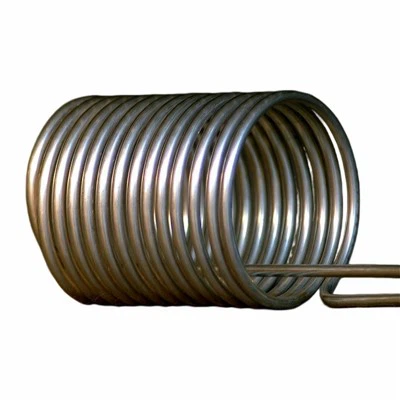
We understand that different applications have different requirements, so we offer a range of customization options for our wound fin stainless steel tubes. We can customize the fin design, tube diameter, length, and other parameters to meet the specific needs of our customers. This allows us to provide solutions that are tailored to the unique requirements of each application.
Conclusion
Straight Stainless Steel Tube In conclusion, the heat transfer efficiency of wound fin stainless steel tubes is a critical factor in many industrial and commercial applications. By understanding the factors that influence heat transfer efficiency and choosing high-quality tubes that are designed to provide optimal performance, you can ensure that your heat transfer system operates effectively and efficiently. At our company, we are committed to providing our customers with the highest quality wound fin stainless steel tubes that are designed to meet their specific needs. If you’re interested in learning more about our products or discussing your heat transfer requirements, please don’t hesitate to contact us. We look forward to working with you.
References
- Incropera, F. P., & DeWitt, D. P. (2002). Fundamentals of heat and mass transfer. John Wiley & Sons.
- Holman, J. P. (2002). Heat transfer. McGraw-Hill.
- Kakac, S., & Liu, H. (2002). Heat exchangers: Selection, rating, and thermal design. CRC Press.
China Super Tech Co., Ltd.
As one of the most professional wound fin stainless steel tube manufacturers and suppliers in China, we’re featured by quality products and good service. Please rest assured to wholesale OEM wound fin stainless steel tube from our factory. Also, custom service is available.
Address: No.A1, Room 707, South Zone, 6th Floor, 122nd Floor, Nanhu East Park, Chaoyang District, Beijing, China
E-mail: sales@316liquidcooling.com
WebSite: https://www.316liquidcooling.com/
