In the dynamic world of metal stamping, understanding the nuances between ferrous and non-ferrous metal stamping parts is crucial. As a seasoned supplier of metal stamping parts, I’ve witnessed firsthand the distinct characteristics and applications of these two material types. This blog post aims to delve into the differences, shedding light on their unique properties, manufacturing processes, and real-world uses. Metal Stamping Parts
1. Basic Material Composition
Let’s start with the fundamentals. Ferrous metals contain iron as their primary component. This group includes steel, cast iron, and wrought iron. The presence of iron gives ferrous metals their magnetic properties and generally high strength and hardness. Steel, for example, is an alloy of iron and carbon, with the addition of other elements like manganese, chromium, and nickel to enhance specific properties.
On the other hand, non-ferrous metals do not contain iron. This diverse group encompasses aluminum, copper, brass, bronze, and precious metals like gold and silver. Non-ferrous metals are prized for their corrosion resistance, electrical conductivity, and malleability. Aluminum, a lightweight and versatile non-ferrous metal, is widely used in the aerospace and automotive industries due to its high strength-to-weight ratio.
2. Physical and Mechanical Properties
Strength and Hardness
Ferrous metals are known for their exceptional strength and hardness. Steel, in particular, is renowned for its high tensile strength, making it ideal for applications that require load-bearing capabilities. For instance, in the construction of bridges and skyscrapers, steel stamping parts are used to provide structural support. Cast iron, with its high compressive strength, is commonly used in engine blocks and machinery frames.
Non-ferrous metals, while generally not as strong as ferrous metals, offer a good balance of strength and other properties. Aluminum, for example, has a relatively low density but a high strength-to-weight ratio, making it suitable for applications where weight reduction is critical. Copper and its alloys, such as brass and bronze, also have good strength and are often used in electrical connectors and plumbing fixtures.
Ductility and Malleability
Ductility refers to a material’s ability to be drawn into thin wires, while malleability is its ability to be hammered or rolled into thin sheets. Non-ferrous metals are typically more ductile and malleable than ferrous metals. Copper, for example, is highly ductile and can be easily drawn into fine wires for electrical applications. Aluminum is also very malleable and can be formed into complex shapes through stamping and other manufacturing processes.
Ferrous metals, on the other hand, are generally less ductile and malleable. However, certain types of steel, such as low-carbon steel, can exhibit good ductility, allowing them to be formed into various shapes.
Corrosion Resistance
Corrosion resistance is an important consideration in many applications. Ferrous metals are prone to corrosion, especially when exposed to moisture and oxygen. Rust is a common form of corrosion that affects iron and steel. To combat this, ferrous metals are often coated with protective layers such as paint, zinc, or chromium.
Non-ferrous metals, on the other hand, are generally more corrosion-resistant. Aluminum forms a thin oxide layer on its surface that protects it from further corrosion. Copper and its alloys also have good corrosion resistance, making them suitable for use in plumbing and electrical systems.
3. Manufacturing Processes
Stamping
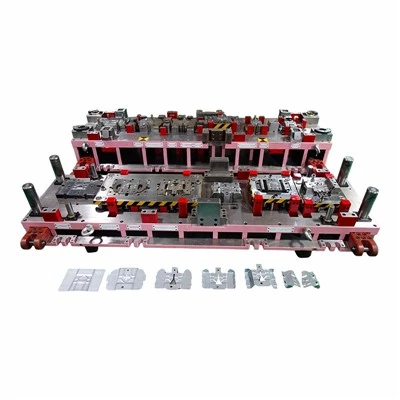
Stamping is a common manufacturing process used to produce metal parts. It involves using a press and a set of dies to cut, bend, and form metal sheets into the desired shape. Both ferrous and non-ferrous metals can be stamped, but the process may vary depending on the material’s properties.
Ferrous metals, due to their higher strength and hardness, require more force to stamp. The dies used for stamping ferrous metals need to be more robust and wear-resistant. Additionally, heat treatment may be required after stamping to improve the part’s mechanical properties.
Non-ferrous metals, on the other hand, are generally easier to stamp. They require less force and can be formed into more complex shapes. The dies used for stamping non-ferrous metals can be less robust, but they still need to be designed to prevent scratching and other surface defects.
Machining
Machining is another important manufacturing process used to produce metal parts. It involves using cutting tools to remove material from a workpiece to achieve the desired shape and dimensions. Both ferrous and non-ferrous metals can be machined, but the machining parameters may vary depending on the material’s properties.
Ferrous metals, due to their higher strength and hardness, are more difficult to machine. They require higher cutting speeds and feeds, and the cutting tools need to be more wear-resistant. Additionally, the machined surfaces of ferrous metals may require additional finishing operations to improve their surface quality.
Non-ferrous metals, on the other hand, are generally easier to machine. They require lower cutting speeds and feeds, and the cutting tools can be less wear-resistant. The machined surfaces of non-ferrous metals often have a better surface finish, requiring less additional finishing.
4. Applications
Ferrous Metal Stamping Parts
- Automotive Industry: Ferrous metal stamping parts are widely used in the automotive industry. Steel stamping parts are used in the manufacturing of car bodies, engine components, and suspension systems. Cast iron stamping parts are used in engine blocks and brake components.
- Construction Industry: Ferrous metal stamping parts are also used in the construction industry. Steel stamping parts are used in the construction of bridges, buildings, and other structures. Wrought iron stamping parts are used in decorative applications such as gates and fences.
- Industrial Machinery: Ferrous metal stamping parts are used in the manufacturing of industrial machinery. Steel stamping parts are used in the production of gears, shafts, and other mechanical components. Cast iron stamping parts are used in the manufacturing of machine frames and housings.
Non-Ferrous Metal Stamping Parts
- Aerospace Industry: Non-ferrous metal stamping parts are widely used in the aerospace industry. Aluminum stamping parts are used in the manufacturing of aircraft frames, wings, and other components. Titanium stamping parts are used in high-performance applications such as jet engines.
- Electronics Industry: Non-ferrous metal stamping parts are also used in the electronics industry. Copper stamping parts are used in the production of electrical connectors, printed circuit boards, and other electronic components. Gold and silver stamping parts are used in high-end electronic applications due to their excellent electrical conductivity and corrosion resistance.
- Consumer Goods Industry: Non-ferrous metal stamping parts are used in the manufacturing of consumer goods. Aluminum stamping parts are used in the production of smartphones, laptops, and other electronic devices. Brass and bronze stamping parts are used in the manufacturing of decorative items such as jewelry and household fixtures.
5. Cost Considerations
The cost of ferrous and non-ferrous metal stamping parts can vary depending on several factors, including the material cost, manufacturing process, and part complexity.
Ferrous metals, such as steel, are generally less expensive than non-ferrous metals. However, the cost of ferrous metal stamping parts can increase due to the need for additional processing steps such as heat treatment and surface coating.
Non-ferrous metals, such as aluminum and copper, are generally more expensive than ferrous metals. However, the cost of non-ferrous metal stamping parts can be offset by their lower weight, better corrosion resistance, and other desirable properties.
Conclusion
In conclusion, the differences between ferrous and non-ferrous metal stamping parts are significant. Ferrous metals offer high strength and hardness but are prone to corrosion. Non-ferrous metals, on the other hand, offer good corrosion resistance, electrical conductivity, and malleability. Understanding these differences is essential for selecting the right material for your specific application.
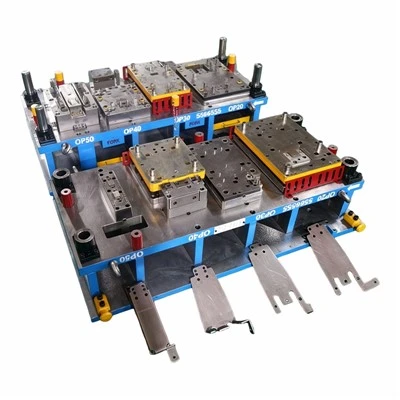
As a leading supplier of metal stamping parts, I have the expertise and experience to provide you with high-quality ferrous and non-ferrous metal stamping parts. Whether you need parts for the automotive, aerospace, electronics, or any other industry, I can work with you to design and manufacture the perfect solution.
Single Stage Dies & Gang Dies If you are in the market for metal stamping parts, I encourage you to contact me to discuss your requirements. Let’s start a conversation and explore how we can work together to meet your needs.
References
- Callister, W. D., & Rethwisch, D. G. (2017). Materials Science and Engineering: An Introduction. Wiley.
- ASM Handbook Committee. (1990). Metals Handbook Desk Edition. ASM International.
- Kalpakjian, S., & Schmid, S. R. (2014). Manufacturing Engineering and Technology. Pearson.
Dongguan Changdong Tool & Die Co., Ltd.
With abundant experience, we are one of the most reliable metal stamping parts manufacturers and suppliers in China. Please feel free to buy advanced metal stamping parts made in China here from our factory. Good service and quality products are available.
Address: No. 56-B, Fumin South Road, Dalang Town, Dongguan City, Guangdong Province, China
E-mail: sales@stamping-die.com
WebSite: https://www.metalstampingdie.com/
