Hey there! I’m a supplier of stone quarry machines, and today I wanna talk about the lubrication requirements for these machines. It’s a topic that might not sound super exciting at first, but trust me, it’s crucial for keeping your quarry operations running smoothly. Stone Quarry Machine
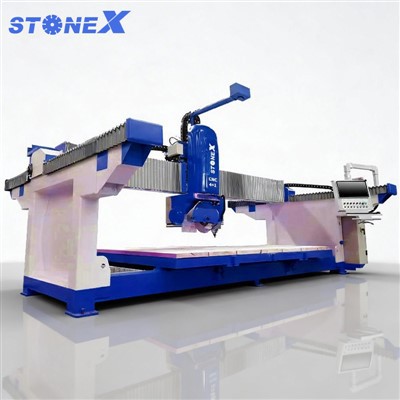
First off, let’s understand why lubrication is so important for stone quarry machines. These machines work in some pretty tough conditions. They’re constantly exposed to dust, debris, and heavy loads. Without proper lubrication, the moving parts in the machines would wear out way too quickly. Friction between the parts can generate a ton of heat, which can damage the components and lead to breakdowns. And we all know that downtime in a quarry can be a real pain in the you-know-what, costing you both time and money.
So, what are the key lubrication requirements?
1. Right Lubricant Type
Not all lubricants are created equal. For stone quarry machines, you need to choose the lubricant based on the specific machine and its operating conditions.
For example, in crushers, the lubricant needs to be able to withstand high pressures. Crushers are designed to break down large rocks into smaller pieces, and during this process, there’s a huge amount of force exerted on the moving parts. A high-viscosity oil is often a good choice here. High viscosity means the oil is thicker, and it can form a strong film between the moving parts to reduce friction and wear.
On the other hand, for conveyor belts and smaller moving parts, a lighter oil or a special lubricating grease might be more appropriate. These components don’t experience the same level of pressure as crushers, but they still need protection from dust and corrosion. A lubricating grease can seal the parts and prevent dirt from getting in, while a light oil can provide smooth operation.
2. Regular Lubrication Schedule
Just choosing the right lubricant isn’t enough. You also need to have a regular lubrication schedule. In a quarry, machines are often running for long hours, and the lubricant can degrade over time. Dust and debris can contaminate the lubricant, reducing its effectiveness.
For most quarry machines, a daily or weekly lubrication check is a good idea. You should inspect the lubricant levels and the condition of the lubricant. If the lubricant looks dirty or has a strange smell, it’s probably time to change it. And don’t forget to follow the manufacturer’s recommendations on how often to change the lubricant. Some machines might require a lubricant change every few months, while others might need it more frequently.
3. Cleanliness During Lubrication
When you’re lubricating the machines, cleanliness is key. Before adding new lubricant, make sure the area around the lubrication point is clean. Use a clean cloth or a brush to remove any dust or dirt. If you introduce dirt into the lubrication system, it can cause abrasion and damage to the parts.
Also, use clean containers and tools for the lubrication process. Don’t reuse old containers that might have some leftover contaminants. And when you’re filling the lubricant, be careful not to spill it. Spilled lubricant can attract dust and create a mess, which can also lead to problems down the line.
4. Temperature Considerations
The temperature in a quarry can vary a lot, depending on the time of day and the season. Lubricants can be affected by temperature changes. In cold weather, the viscosity of the lubricant can increase, making it thicker and harder to flow. This can cause problems with the machine’s operation, as the lubricant might not reach all the necessary parts.
On the other hand, in hot weather, the lubricant can thin out and lose its ability to form a protective film. So, you need to choose a lubricant that has a wide temperature range. Some lubricants are specifically designed for extreme temperatures, and they can maintain their properties even in very hot or cold conditions.
5. Compatibility
Another important factor is the compatibility of the lubricant with the machine’s materials. Different machines are made of different materials, such as steel, aluminum, and rubber. Some lubricants might react with certain materials and cause corrosion or damage.
Before using a new lubricant, make sure it’s compatible with the materials in your machines. You can check the lubricant manufacturer’s specifications or consult with an expert. Using an incompatible lubricant can lead to costly repairs and replacements.
6. Monitoring and Analysis
It’s a good idea to monitor the lubricant in your machines on a regular basis. You can do simple things like checking the color and consistency of the lubricant. If it looks milky, it might mean there’s water in the lubricant, which can cause rust and other problems.
For more in-depth analysis, you can send samples of the lubricant to a laboratory. They can test for things like wear particles, contaminants, and the chemical properties of the lubricant. This can give you a better idea of how well the lubricant is working and if there are any potential issues with the machine.
Now, I know all this might seem a bit overwhelming, but as a stone quarry machine supplier, I’m here to help. We have a team of experts who can provide you with advice on the right lubrication for your specific machines. We also offer high-quality lubricants that are designed to meet the tough requirements of the quarry industry.
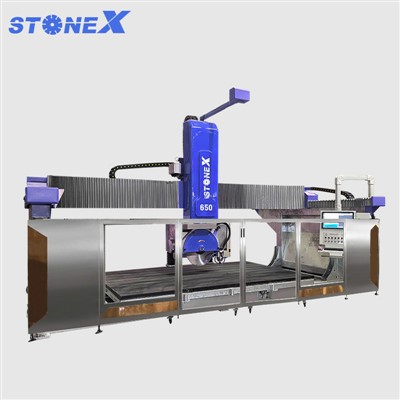
If you’re having any problems with the lubrication of your quarry machines or if you’re just looking for some tips on how to improve your maintenance routine, don’t hesitate to get in touch. We can have a chat, figure out what you need, and come up with a solution that works for you. Whether it’s choosing the right lubricant, setting up a lubrication schedule, or dealing with any issues that arise, we’ve got your back.
Block Cutting Machine So, if you’re in the market for stone quarry machines or need help with their lubrication and maintenance, reach out to us. We’re ready to start a conversation and help you keep your quarry operations running at their best.
References
- Machinery Lubrication Handbook
- Quarry Equipment Maintenance Guide
- Lubricant Manufacturer’s Technical Documents
Nantong Huayi Intelligent Equipment Co., Ltd.
Address: Dongsheng Stone Industry Park, Changjiang Town, Rugao City, Jiangsu Province, China
E-mail: claire@hualongm.com
WebSite: https://www.hystonemachinery.com/
